

In a novel approach to environmental monitoring, researchers from Universitas Padjadjaran have demonstrated how measuring the magnetic and electrical properties of urban soil can quickly and effectively map pollution hotspots. This method offers a low-cost tool to help cities like Bandung work towards SDG 11: Sustainable Cities and Communities, specifically by monitoring the health of urban environments.
We all know that air and water quality are vital, but the ground beneath our feet also tells a story about a city’s health. Soil in urban areas can accumulate pollutants from industry, traffic, and household waste. Traditionally, testing for these potentially toxic elements (PTEs) like lead, zinc, and copper is a complex and expensive process.
This new research, published in the journal Environmental Monitoring and Assessment, shows that a simple measurement of soil magnetism can act as a reliable proxy for this contamination.
How Can Soil Be Magnetic?
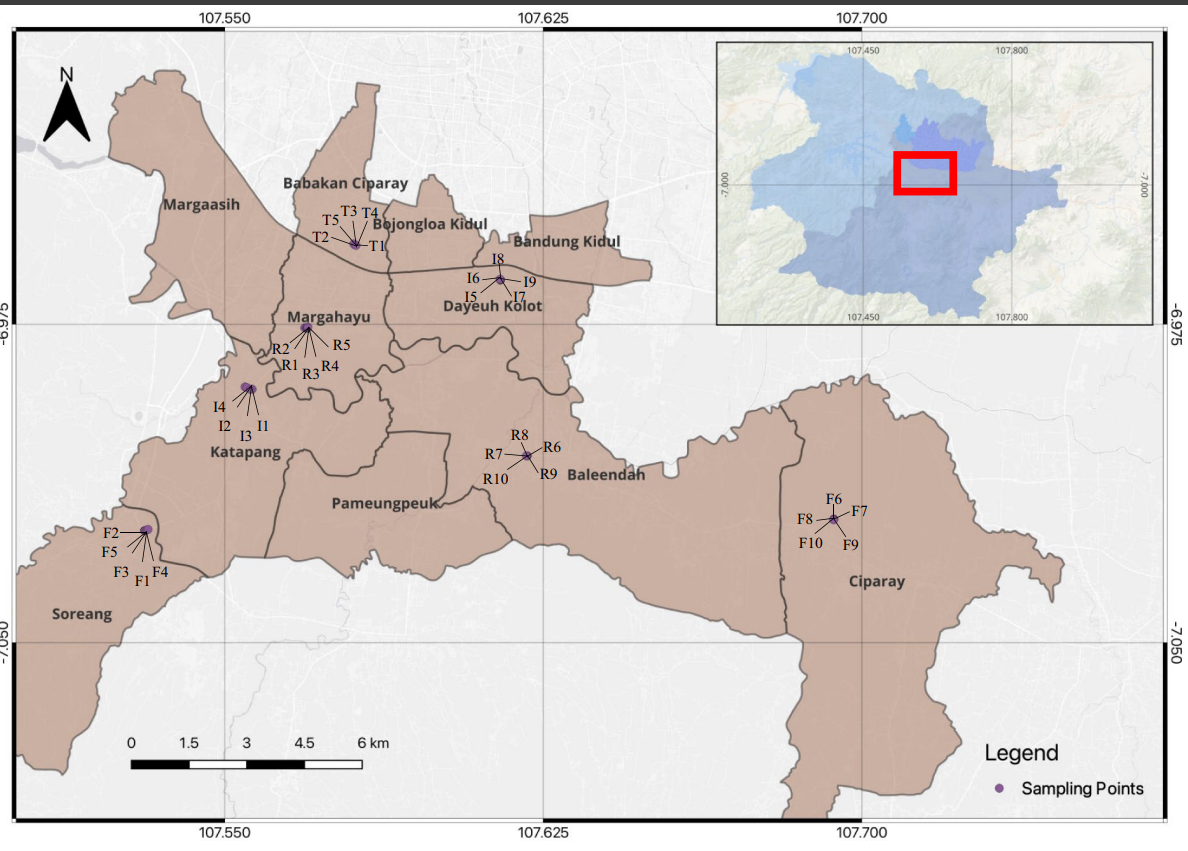
The study focused on topsoil samples from across Bandung, a city with a high population density and significant industrial activity. The researchers collected samples from four types of areas:
- Heavy Traffic: Soil from a toll road.
- Industrial Zones: Areas dominated by textile manufacturing.
- Residential Neighborhoods
- Agricultural Rice Fields
They discovered that soil from urban areas (toll roads, industrial, and residential zones) was significantly more magnetic than soil from agricultural rice fields.
Why is this important? While volcanic soil in the Bandung region is naturally magnetic due to its mineral content, the heightened magnetism in the city points to an anthropogenic, or human-made, source. This extra magnetic “signal” comes from tiny particles of iron oxides (like magnetite) released by industrial processes, vehicle exhaust, and brake wear.
Key Findings: A Clear Divide Between City and Countryside
- Urban soils were highly magnetic and had a higher pollution load index, indicating they are slightly polluted.
- Agricultural soils were less magnetic, with pollution levels considered unpolluted or background level.
- The industrial area showed the highest electrical conductivity, suggesting a higher concentration of dissolved salts and pollutants, likely from textile manufacturing.
- Under a microscope, the team found tiny spherical magnetic particles in urban samples—a tell-tale sign of particles formed from high-temperature combustion (e.g., factory emissions), unlike the natural, angular particles found in the farmland soil.
“This method provides a rapid, first-line screening tool,” the authors note. “Urban planners and environmental agencies can use it to identify pollution hotspots quickly and cheaply before undertaking more detailed, expensive chemical analysis. This allows for better-targeted actions and policies to mitigate urban pollution, protect citizen health, and manage waste.”
By turning a simple soil magnetism reading into a map of urban health, this research offers a powerful, accessible step toward creating cleaner, more sustainable cities for everyone.
News source: https://www.scopus.com/pages/publications/85182430296
#UnpadResearch #SustainableCitites #SDG11 #SoilMagnetism
04/Geo/2025