
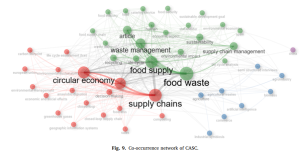
A team of researchers has conducted a comprehensive review on the sustainable circular agri-food supply chain (SCA-FSC), focusing on pathways to achieve zero waste in food production and distribution. The study highlights strategies for reducing waste, improving resource efficiency, and creating closed-loop systems within the global agri-food sector.
The problem addressed in this research is that conventional agri-food supply chains generate significant amounts of waste and greenhouse gas emissions, contributing to environmental degradation and food insecurity. Current linear models of production and consumption are unsustainable and require urgent transformation.
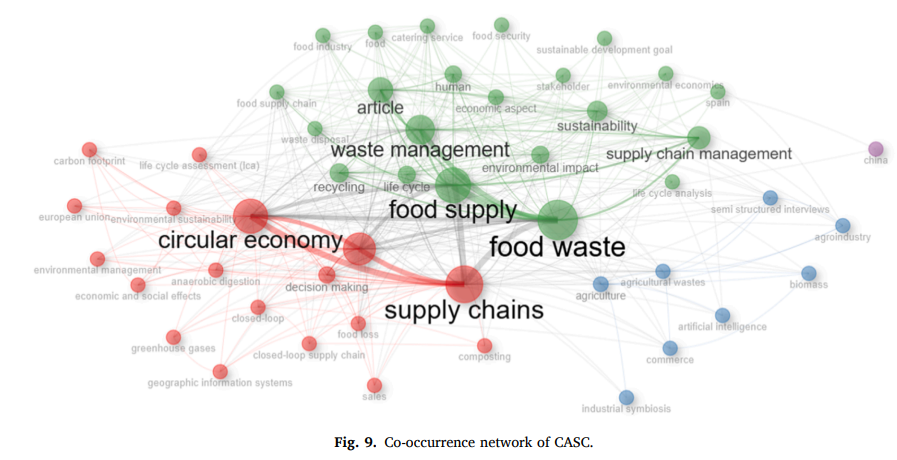
To address these challenges, the authors reviewed a wide range of studies on circular economy principles applied to agriculture and food systems. They examined strategies such as waste valorization, resource recovery, sustainable packaging, digital technologies for supply chain optimization, and collaboration among stakeholders. The review also identifies barriers to implementation, including policy gaps, financial constraints, and consumer behavior.
The study concludes that transitioning to a sustainable circular agri-food supply chain can significantly reduce waste, improve food security, and support global sustainability goals. The authors emphasize the importance of innovation, policy support, and cross-sector collaboration to achieve zero waste in practice.
In terms of global contribution, the research aligns with several United Nations Sustainable Development Goals (SDGs):
- SDG 2 (Zero Hunger): promoting sustainable food systems to improve availability and reduce losses.
- SDG 12 (Responsible Consumption and Production): driving circular economy practices to minimize waste.
- SDG 13 (Climate Action): reducing emissions through sustainable resource use and waste management.
- SDG 17 (Partnerships for the Goals): highlighting the need for cooperation among governments, industries, and communities.
This work underscores the urgency of transforming agri-food systems into circular, waste-free networks that ensure sustainability, resilience, and food security for future generations.
03/Mat/2025