

A new study published in the Journal of Natural Fibers highlights bamboo’s untapped potential as a sustainable resource that could transform industries and support climate change mitigation. The paper, A Review of Bamboo: Characteristics, Components, and Its Applications by Budi Irawan and colleagues, presents a comprehensive overview of bamboo’s unique biological, cultural, and industrial value.
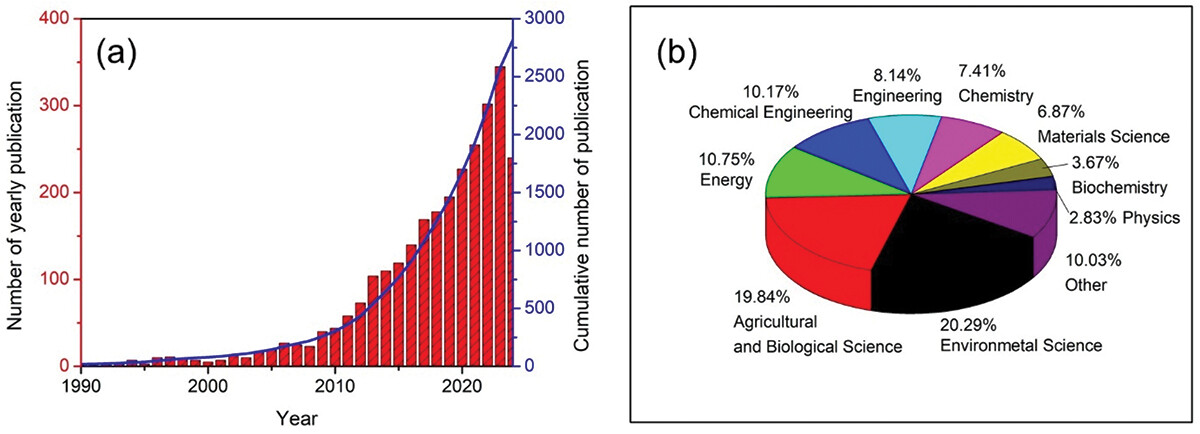
The review synthesizes findings from over three decades of research (1990–2024) on bamboo, a fast-growing lignocellulosic biomass with high cellulose content and strong mechanical properties. The authors examine bamboo’s applications in bioenergy, biocomposites, textiles, food industries, and environmental remediation. Traditional uses such as construction, crafts, and musical instruments demonstrate bamboo’s cultural and socio-economic importance, particularly for Indigenous and local communities.
Despite its versatility, bamboo remains underrepresented in biomass research compared to temperate species. Key challenges—such as variability among species, lignin removal efficiency, and limited industrial-scale processing—still hinder its widespread adoption. However, certain species, like Gigantochloa apus with its high hemicellulose content, show promise for more efficient biofuel production.
Why It Matters
Bamboo’s ability to grow rapidly without fertilizers, absorb carbon dioxide at high rates, and adapt to diverse climates makes it a renewable alternative to wood and fossil-based resources. Its use can reduce deforestation pressures, promote rural livelihoods, and provide eco-friendly materials for industries ranging from paper to pharmaceuticals. In Indonesia, which hosts 175 bamboo species, the plant represents both an environmental safeguard and an economic driver.
By bridging technical insight with socio-ecological context, the study calls for more targeted research on bamboo’s biochemical properties, sustainable harvesting, and industrial applications. This could accelerate bamboo’s role in a low-carbon economy.
Connection to the Sustainable Development Goals
The findings closely align with SDG 13: Climate Action. Bamboo not only sequesters carbon effectively but also provides renewable materials that can replace fossil-fuel-derived products. Its integration into energy systems as biochar or bioethanol could reduce greenhouse gas emissions, while its role in land restoration and soil conservation enhances climate resilience.
Moreover, sustainable bamboo industries could strengthen rural economies and create green jobs, further supporting global climate commitments.
Looking Ahead
The authors argue that bamboo deserves greater recognition as a “green gold” resource. Unlocking its full potential requires cross-disciplinary research, improved processing technologies, and policies that encourage sustainable cultivation. As the world faces the twin crises of climate change and resource scarcity, bamboo offers a nature-based solution that is both scientifically promising and culturally grounded.
With continued investment and innovation, bamboo could become one of the most important resources for building a sustainable and climate-resilient future.
Link journal: Full article: A Review of Bamboo: Characteristics, Components, and Its Applications
02/Bio/2025