
Indramayu, Indonesia — A team of researchers has successfully isolated and identified bacteria capable of reducing cadmium (Cd), one of the most toxic heavy metals threatening marine ecosystems. The study, published in the Pakistan Journal of Biological Sciences, focused on contaminated coastal sediments from Karangsong Port, Indramayu, Indonesia.
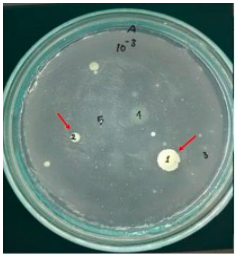
The research, led by Tri Dewi Kusumaningrum Pribadi and colleagues, aimed to find natural solutions for heavy metal pollution in coastal waters. From eight bacterial isolates collected in cadmium-contaminated sediments, two strains—Cd 3 and Cd 7—emerged as the most promising.
Using 16S rRNA sequencing, the scientists identified these strains as Pseudoalteromonas issachenkonii strain KMM 3549 and Pseudoalteromonas tetraodonis GFC strain IAM 14160. Remarkably, both bacteria reduced cadmium concentration in seawater by up to 50% within six hours under different Cd levels (0.5–1.5 ppm). Laboratory tests also showed the isolates were resistant to high cadmium concentrations, suggesting strong potential for large-scale bioremediation applications.
The Importance
Cadmium pollution originates from industrial activities such as mining, metal refining, and oil waste, and is known to disrupt the growth, reproduction, and survival of marine organisms. The northern coast of Indramayu, with rapid industrial development, faces alarming cadmium contamination that threatens both local ecosystems and fisheries-dependent livelihoods.
This discovery opens a pathway for nature-based solutions to restore polluted waters. Unlike chemical treatments, microbial bioremediation is cost-effective, environmentally friendly, and sustainable. The study also marks the first report of indigenous cadmium-reducing bacteria from Karangsong Port, making it a vital reference for future environmental restoration projects.
Link to Sustainable Development Goals (SDGs)
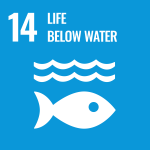
The findings directly support SDG 14: Life Below Water, which aims to conserve and sustainably use oceans, seas, and marine resources. By employing naturally occurring bacteria to clean toxic metals from seawater, this research contributes to healthier marine ecosystems, improved biodiversity, and sustainable fisheries.
Moreover, adopting microbial bioremediation can reduce reliance on expensive and potentially harmful chemical cleanup methods, aligning with global efforts to protect marine life and coastal communities.
Looking Ahead
The researchers highlight that further genomic studies of Cd 3 and Cd 7 could identify specific genes responsible for cadmium resistance and reduction, paving the way for tailored bioremediation strategies. Expanding this research to other polluted coastal areas in Indonesia and beyond could help mitigate one of the most persistent threats to marine sustainability.
As heavy metal pollution continues to endanger marine life, this study provides a beacon of hope: a natural, effective, and sustainable method to clean the seas—starting with the microbes beneath our feet.
07/Bio/2025