

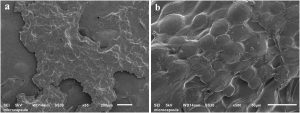
BANDUNG, INDONESIA – A study by researchers at Universitas Padjadjaran has demonstrated a novel method to protect banana and plantain tissue cultures from contamination by using microcapsules containing lime peel essential oil (LPO). Published in
Carbohydrate Polymer Technologies and Applications, the research details how this encapsulation technology can reduce microbial contamination and significantly boost the growth of Musa spp., a vital food source in many developing nations.
Summary of the Paper
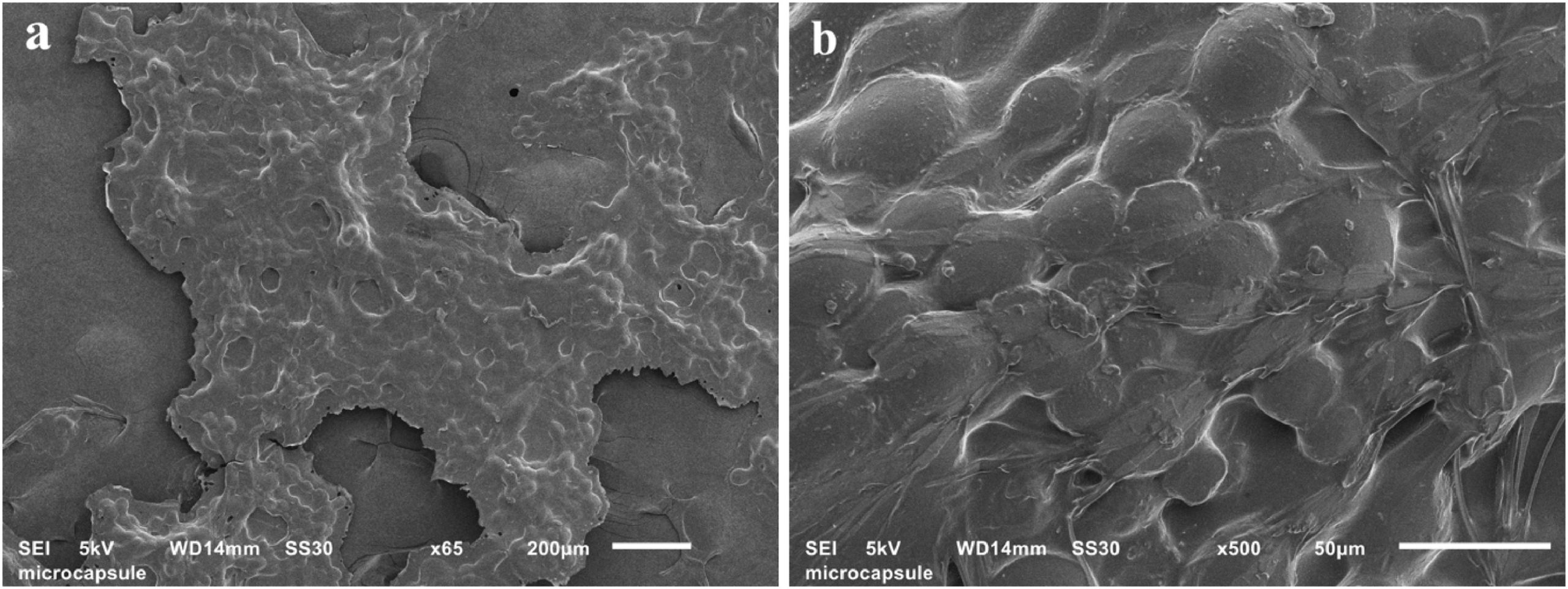
Micropropagation is the most effective way to produce large quantities of high-quality, disease-free banana plants, but the process is frequently undermined by microbial contamination. While lime peel oil (LPO) is known for its antimicrobial properties, its instability and volatility limit its direct use. To overcome this, the scientists encapsulated LPO within tiny, spherical microcapsules made from alginate and gelatin, natural biopolymers.
The encapsulation process was highly successful, with an efficiency of 93.01% and producing stable microcapsules averaging 1.37 µm in size. These microcapsules were designed for a slow, controlled release of the LPO over time, which was confirmed by kinetic modeling. When tested on two banana varieties, Kepok Tanjung and Barangan, both the pure LPO and the encapsulated LPO were added to the culture media. The pure LPO proved highly effective in reducing contamination rates and increasing plant survival. The encapsulated LPO also provided moderate improvements. Importantly, both forms significantly increased the biomass and relative growth rate of the plantlets, with higher concentrations yielding the best results.
The Importance
Bananas and plantains are staple foods and a key source of income for millions of people. Improving the efficiency of tissue culture is crucial for supplying farmers with healthy, high-quality planting materials. Contamination is a major bottleneck in this process, leading to the loss of valuable plant stock. This research presents an innovative, natural solution to this persistent problem. By using an essential oil derived from a common agricultural by-product (lime peels) and stabilizing it through encapsulation, this method provides a new tool to enhance the success of
Musa spp. micropropagation, making the process more reliable and productive.
Relation to Sustainable Development Goals (SDGs)
This study directly contributes to Sustainable Development Goal 2: Zero Hunger. Specifically, it aligns with targets aimed at ending hunger and ensuring access to safe, nutritious food. By developing a technology that improves the efficiency and output of banana micropropagation, the research helps secure the supply chain of a fundamental food crop. This ensures that more high-quality, disease-free planting material can be made available, ultimately supporting agricultural productivity and enhancing food security for communities that depend on bananas and plantains.
Journal Link: https://doi.org/10.1016/j.carpta.2024.100649
08/Bio/2025