
KUALA LUMPUR, MALAYSIA – An international team of researchers led from Universiti Malaya and Universitas Padjadjaran has successfully used pellets of the medicinal fungus Ganoderma lucidum to remove harmful blue-green algae from a contaminated urban park lake. The study, published in the journal Heliyon, demonstrates a highly effective and environmentally friendly “bio-flocculation” method that could help restore the ecological health of freshwater reservoirs threatened by toxic algal blooms.
Summary of the Paper
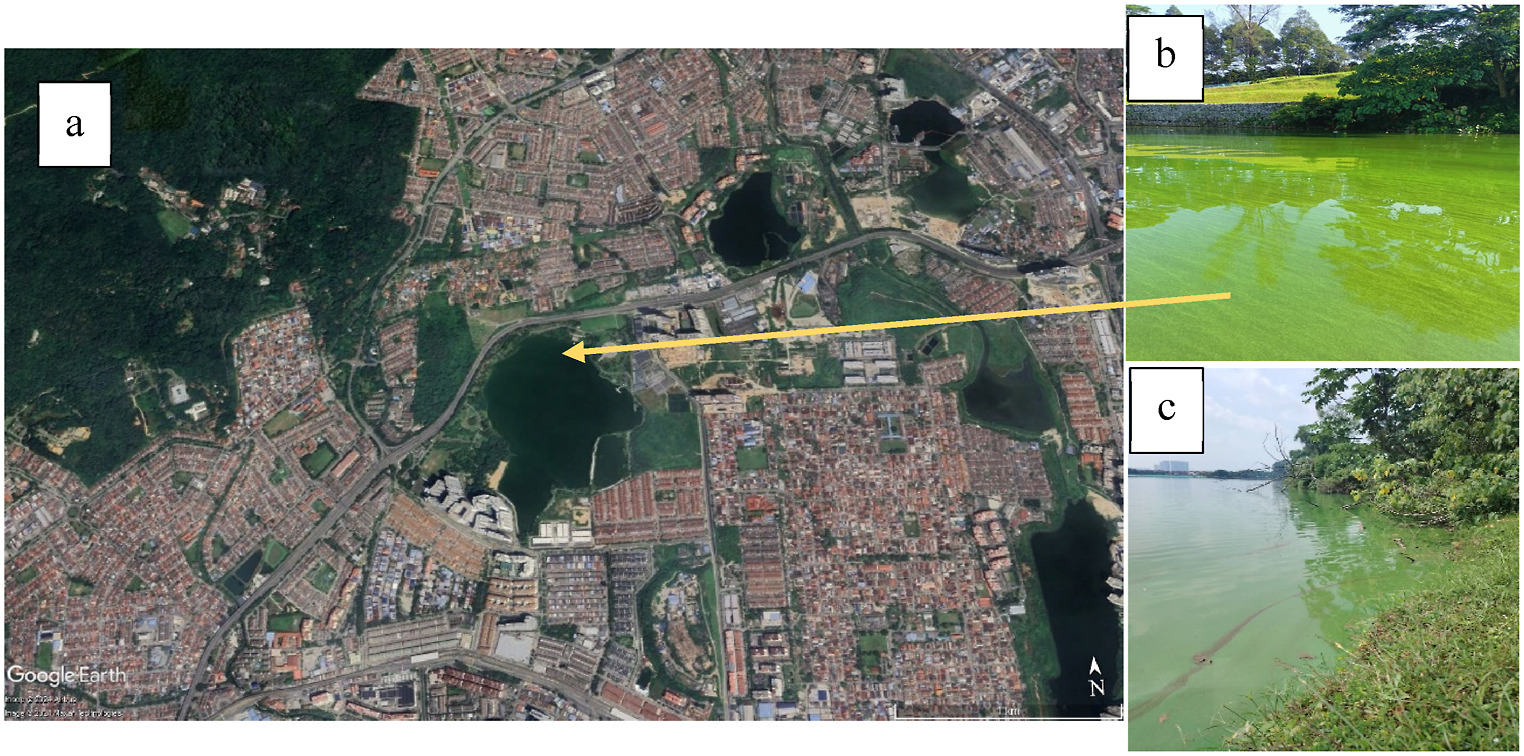
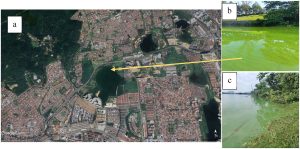
The research focused on a popular recreational lake in Malaysia’s Klang Valley suffering from a harmful algal bloom (HAB). Water quality analysis confirmed the lake was in a “hypereutrophic” state—a condition of severe nutrient pollution that fuels excessive algae growth—and was dominated by the cyanobacterium
Microcystis, a species known to produce toxins.
To combat this, scientists used mycelial pellets of the fungus
Ganoderma lucidum strain BGF4A1 as a natural bio-flocculant. In lab-scale bioreactors, they optimized the treatment conditions and found that the fungal pellets were remarkably efficient. Under optimal conditions—an initial pH of 4, a 1% fungal volume, and 48 hours of contact time—the treatment removed up to 93.70% of the cyanobacteria (measured by chlorophyll-a), 75.28% of chemical oxygen demand, and 92.09% of total suspended solids. Microscopic examination confirmed that the large, thriving cyanobacterial colonies present before the treatment were broken down into smaller, dying cells that were adsorbed onto the surface of the fungal pellets.
The Importance
Harmful algal blooms pose a significant threat to freshwater ecosystems, producing toxins that are dangerous to both wildlife and humans and leading to oxygen-depleted “dead zones” that kill fish. While chemical treatments can be effective, they often cause secondary pollution. This study is important because it validates a powerful, nature-based solution that is both effective and sustainable. The use of
Ganoderma lucidum, a readily available fungus, offers a low-cost and environmentally friendly alternative for cleaning up polluted community lakes and restoring their safety for recreational use. The technology also shows promise for other applications, such as harvesting microalgae for biofuel production.
Relation to Sustainable Development Goals (SDGs)
This research provides a direct contribution to Sustainable Development Goal 6: Clean Water and Sanitation. The study addresses Target 6.3, which aims to improve water quality by reducing pollution, and Target 6.6, which calls for the protection and restoration of water-related ecosystems, including lakes. By developing and proving a biological method to remove hazardous cyanobacterial blooms from a freshwater lake, this work offers a practical tool for restoring the ecological health and safety of a vital community water resource, directly advancing the global agenda for clean and sustainable water management.
Journal Link: https://doi.org/10.1016/j.heliyon.2024.e41205
09/Bio/2025