
The rise of carbon dioxide (CO2) emissions is one of the biggest contributors to global climate change. To effectively tackle this challenge, reliable tools for detecting and monitoring CO2 are urgently needed. In a creative approach, researchers from Universitas Padjadjaran have turned everyday waste—chicken eggshells—into a key ingredient for advanced gas sensors.
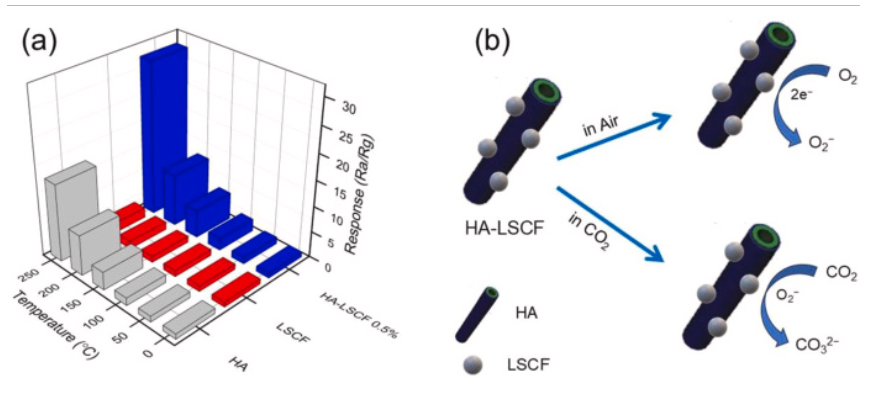
The team synthesized hydroxyapatite (HA) from eggshells, a material known for its structural stability and versatility. To enhance its sensing capability, HA was combined with lanthanum strontium cobalt ferrite (LSCF), resulting in a composite with promising properties for CO2 detection. The synthesis was carried out using the hydrothermal method, and the materials were carefully studied with techniques such as X-ray diffraction, infrared spectroscopy, and scanning electron microscopy.
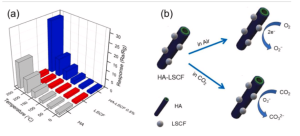
The results were impressive. Hydroxyapatite alone showed good performance, but when combined with 0.5% LSCF, the material exhibited significantly improved crystallinity and electron density. At a working temperature of 250 °C, the HA-LSCF 0.5% composite produced a sensor response value of 30—higher than pure HA’s value of 26. This improvement is due to the unique conductivity of LSCF, which enhances electron transfer and speeds up the interaction between the sensor and CO2 molecules.
Beyond scientific achievement, this innovation also addresses two global concerns: reducing waste and supporting climate action. By converting eggshells, a common byproduct of household and food industry activities, into high-value sensor materials, the research demonstrates how simple resources can be part of technological solutions for sustainability. Moreover, better CO2 monitoring technology is crucial in efforts to reduce greenhouse gas emissions and create a healthier atmosphere for future generations.
This study not only contributes to scientific progress but also supports the broader mission of building a cleaner, safer, and more sustainable planet.
#UnpadResearch #CO2Sensor #ClimateAction
Link to the paper: https://www.sciencedirect.com/science/article/pii/S0019452224003649
31/Kim/2025