

Malaria remains one of the deadliest infectious diseases worldwide, claiming hundreds of thousands of lives every year, especially in tropical regions. Despite decades of research, the rise of drug-resistant parasites continues to challenge efforts to eliminate this disease. Now, researchers are exploring a new potential weapon: pipecolisporin, a novel cyclic hexapeptide with strong antimalarial activity.
In this study, scientists successfully synthesized pipecolisporin in the laboratory using advanced techniques known as solid-phase peptide synthesis (SPPS) and solution-phase cyclization. Careful analysis using HPLC, mass spectrometry, and NMR confirmed that the laboratory-synthesized compound was structurally identical to the natural version.
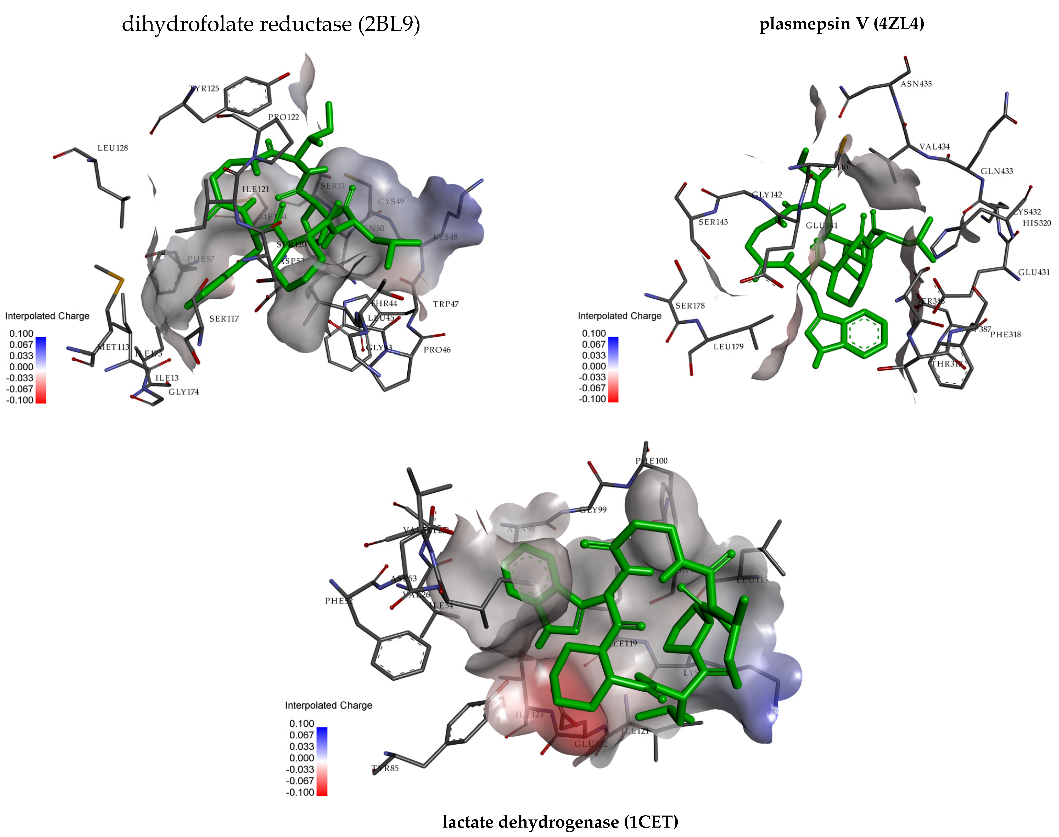
The results were striking. Pipecolisporin showed potent antimalarial activity, with an IC50 value of just 26.0 ± 8.49 nM, proving it could effectively inhibit the malaria parasite at very low concentrations. To better understand how it works, the team also performed computational studies that revealed pipecolisporin interacts strongly with crucial malaria-related enzymes, including dihydrofolate reductase, plasmepsin V, and lactate dehydrogenase. These interactions are stabilized by hydrophobic forces, helping the compound penetrate cell membranes and bind effectively to its targets.
One of the most exciting aspects of pipecolisporin is its stability. Cyclic peptides like pipecolisporin are often more resistant to degradation compared to linear peptides, making them better suited as drug candidates. This combination of stability and high potency makes pipecolisporin a promising lead for future antimalarial drug development.
The research also highlights the importance of addressing safety. Since some related peptides may carry risks of cytotoxicity, further studies will aim to refine pipecolisporin’s structure to maximize its benefits while minimizing potential side effects.
This breakthrough directly supports Sustainable Development Goal (SDG) 3: Good Health and Well-being, by advancing scientific solutions to combat one of the world’s most persistent and life-threatening diseases. With continued research, pipecolisporin could pave the way toward safer, more effective antimalarial therapies—bringing new hope to millions of people at risk.
#UnpadResearch #Antimalarial #GoodHealth
Link to the paper: https://www.mdpi.com/1420-3049/30/2/304
37/Kim/2025