

Anthrax Bacterium Strain Found in Indonesian Rice Soil Lacks Key Disease-Causing Genes
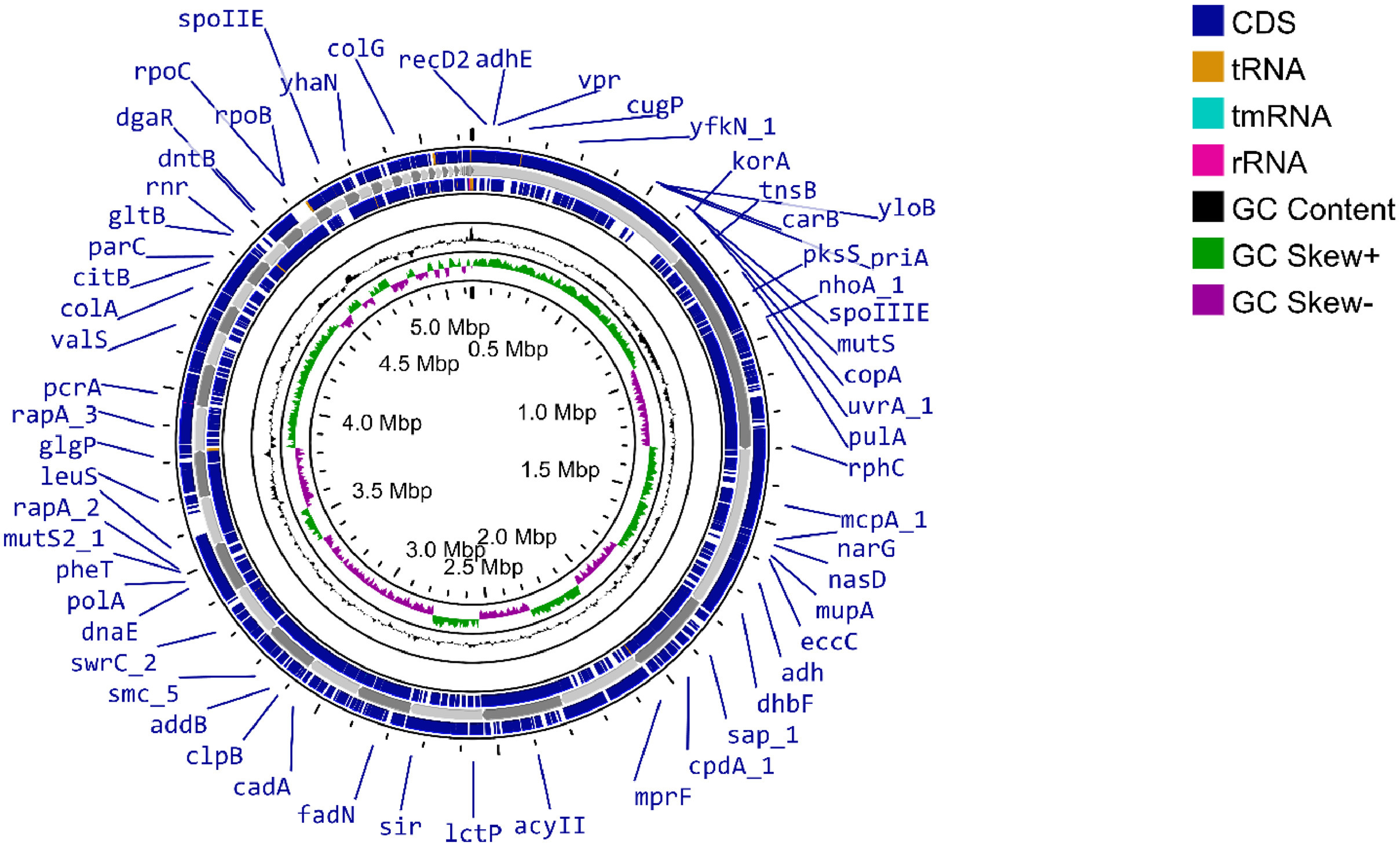

JATINANGOR, INDONESIA – An international team of scientists has sequenced the full genome of a Bacillus anthracis strain isolated from a rice field in Sukabumi, West Java, and found that it is missing the primary genes responsible for causing the deadly disease anthrax. The data, published in the journal Data in Brief, provides a valuable genetic blueprint of a naturally occurring, non-pathogenic strain of a bacterium typically known for its virulence.
Summary of the Paper
The bacterium, designated strain 3B1, was isolated from the soil of a rice field cultivated using the System of Rice Intensification (SRI). Researchers conducted whole genome sequencing to identify the strain and characterize its genetic makeup. Comprehensive phylogenetic and genomic analyses, including Average Nucleotide Identity (ANI) and digital DNA-DNA hybridization (dDDH), confirmed that strain 3B1 is a strain of
Bacillus anthracis. Its genome is 5,137,985 base pairs long and contains 5,364 identified genes.
The most critical finding came from the gene annotation, which revealed that strain 3B1’s genome completely lacks the key virulence genes—
pag, cya, and lef. These genes encode the toxins that are essential for the bacterium to cause anthrax disease and are present in pathogenic strains. The absence of these genes in strain 3B1 indicates it is a non-pathogenic variant.
The Importance
Bacillus anthracis is best known as the agent that causes anthrax, a severe disease in both animals and humans. The discovery and full genomic sequencing of a naturally occurring strain that lacks the ability to cause disease is highly significant. This data allows for comparative studies between pathogenic and non-pathogenic strains, offering insights into the bacterium’s genetic diversity and evolution. Furthermore, instead of being a threat, the unique genomic features of strain 3B1 can now be explored for beneficial purposes. The genetic data can be “bioprospected” for novel compounds or enzymes useful in various biotechnological applications.
Relation to Sustainable Development Goals (SDGs)
This research directly supports Sustainable Development Goal 9: Industry, Innovation, and Infrastructure. Specifically, it contributes to Target 9.5, which aims to enhance scientific research and encourage innovation. By providing the complete, publicly accessible genome sequence of a novel, non-pathogenic bacterial strain, this work offers a valuable resource to the global scientific community. This dataset enables further research and creates opportunities for “bioprospecting”—the search for new, valuable products from biological resources—thereby fostering innovation in biotechnology
Journal Link: https://doi.org/10.1016/j.dib.2025.111586
01/Bio/2025