

A Contribution from Electrical Department, FMIPA, Universitas Padjadjaran
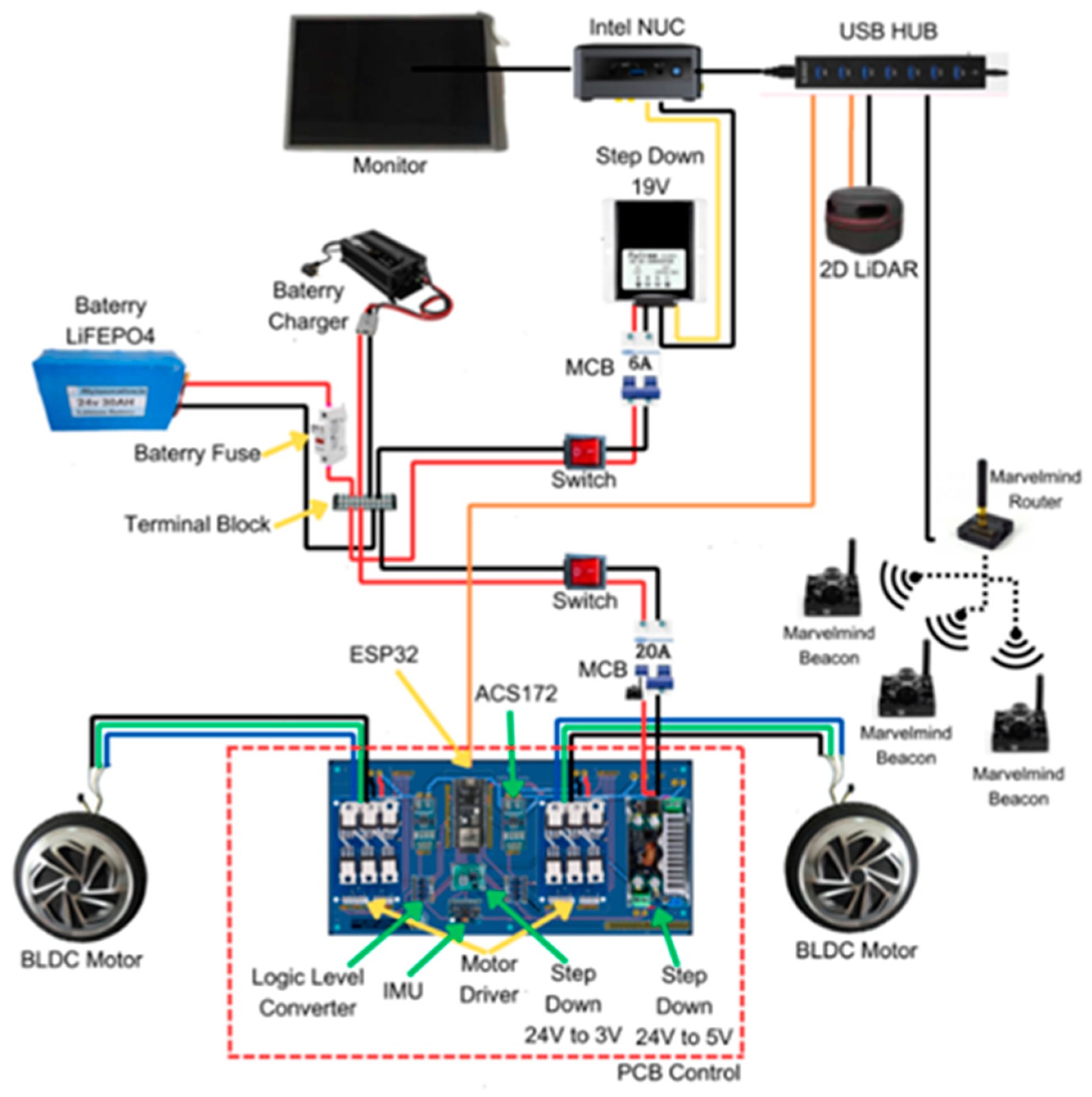
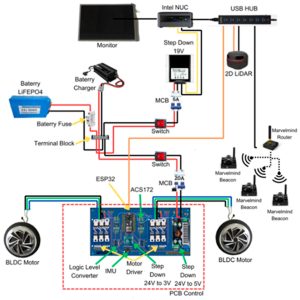 Navigating a busy hospital isn’t just tricky for humans—it’s also a real challenge for robots. To address this, researchers from the Department of Electrical Engineering, FMIPA, Universitas Padjadjaran (Unpad) have designed an intelligent indoor navigation system for autonomous medical robots. Their study, titled “Autonomous Medical Robot Trajectory Planning with Local Planner Time Elastic Band Algorithm,” focuses on using smart sensors (Marvelmind, LiDAR, IMU, and odometer) combined with the Time Elastic Band (TEB) algorithm to help medical robots move smoothly and safely through complex indoor environments.
The research tested TEB’s performance in several scenarios—such as obstacle-filled rooms and sterile spaces—and compared it to the commonly used Dynamic Window Approach (DWA). The results? TEB consistently outperformed DWA in terms of shorter path length, faster navigation time, and smoother motion. With better handling of dynamic obstacles and more consistent path planning, the TEB algorithm proved to be a highly effective tool for guiding medical robots in real-time conditions, like those found in hospitals.
This development aligns with Sustainable Development Goal (SDG) 3: Good Health and Well-being, as it supports the creation of automated tools that can assist healthcare professionals, reduce contact in sensitive environments, and improve service delivery. It’s another example of how Electrical Engineering of Universitas Padjadjaran (Unpad) is contributing to practical, impactful innovation—bridging robotics and healthcare to make a difference.
Link: https://www.mdpi.com/2079-9292/14/1/183
#Unpad, #SDG3, #HealthcareInnovation, #MedicalRobotics
01/TE/2025