

Forecasting Egg Prices in East Nusa Tenggara Using Convolutional LSTM to Support Nutrition and Reduce Stunting
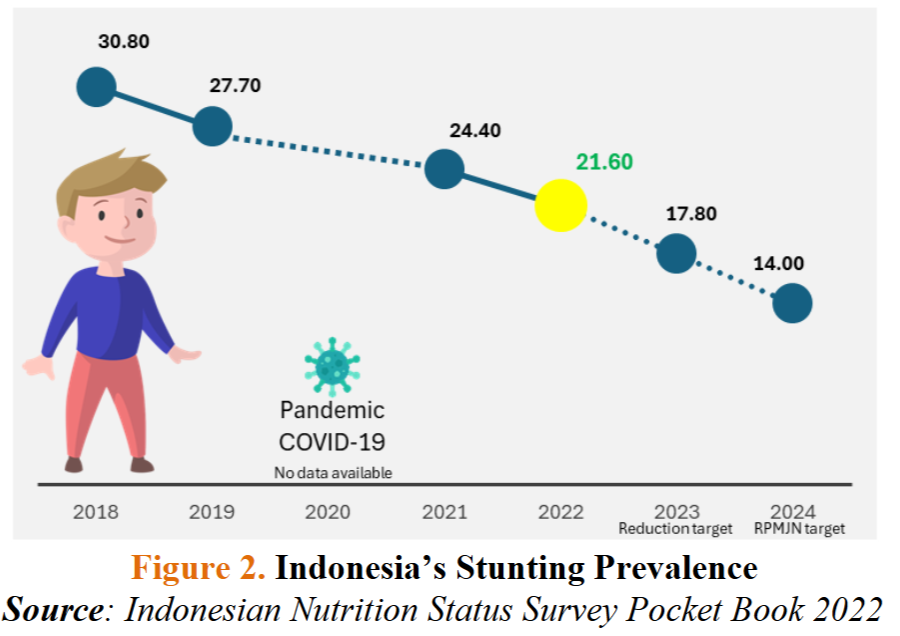


A recent study published in Barekeng: Journal of Mathematics and Its Applications explores forecasting egg prices in East Nusa Tenggara, one of Indonesia’s provinces with the highest stunting prevalence in children under five. Stunting affects 35.3% of children in the region, making affordable sources of protein, such as eggs, crucial in addressing malnutrition.
The research employs Convolutional Long Short-Term Memory (LSTM) models to predict weekly egg prices from 2018 to 2023. The model uses key components such as the Adam optimizer, ReLU activation function, and Huber loss function, with a batch size of 32 neurons. Model performance shows high accuracy, with Mean Absolute Percentage Error (MAPE) values of 1.97% for training, 1% for validation, and 1.19% for testing.
Price forecasts for the five-week period from December 11, 2023, to January 8, 2024, indicate a gradual decline in egg prices, suggesting improved affordability. This trend could support increased access to protein-rich nutrition for local communities, contributing to stunting reduction efforts.
The study aligns with the United Nations Sustainable Development Goals (SDGs), particularly:
- SDG 2 (Zero Hunger): ensuring access to nutritious food and addressing malnutrition in children.
- SDG 3 (Good Health and Well-Being): improving child health outcomes by supporting adequate nutrition.
By combining machine learning with socio-economic insights, this research provides a data-driven approach to supporting nutrition programs and sustainable development in Indonesia.
Source: https://www.scopus.com/pages/publications/85217254675
21/Stat/2025