

From Lime Peel to Cancer Research: Natural Compounds Show Promise
Breast cancer continues to be one of the most serious health challenges faced by women worldwide. Despite the many treatment options currently available, researchers are still searching for therapies that are more effective, less toxic, and easier on the body. In line with this effort, scientists from Universitas Padjadjaran have turned to natural sources—and discovered that lime peel (Citrus aurantiifolia) contains compounds with significant potential in breast cancer treatment.
The study focused on coumarins, a group of phenolic compounds known for their biological activities. Researchers isolated three coumarins from lime peel and tested their effects on MCF-7 breast cancer cell lines, a common model used in cancer research. Through in vitro laboratory tests, one compound—5-geranyloxypsoralen—stood out as the most potent, with a cytotoxic effect stronger than the other two compounds.
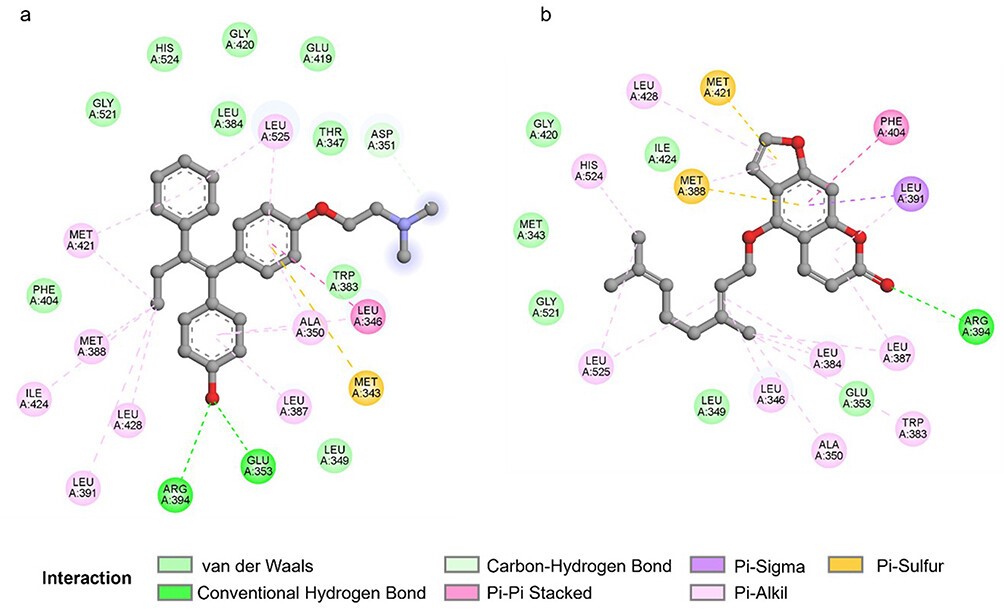
To deepen the analysis, the team also conducted in silico studies, using molecular docking and molecular dynamics simulations. These computer-based approaches revealed that 5-geranyloxypsoralen interacts strongly and stably with estrogen receptor alpha (ERα), an important protein linked to breast cancer progression. Interestingly, the compound showed an even lower docking score (a sign of stronger interaction) than estradiol, the natural hormone, highlighting its potential as a therapeutic agent.
The research didn’t stop there. Predictions of pharmacokinetic properties suggested that 5-geranyloxypsoralen has favorable characteristics, meaning it could behave well inside the human body if developed into a drug. These findings mark an important step in identifying plant-derived compounds that could one day contribute to cancer therapy.
This discovery also connects to Sustainable Development Goal (SDG) 3: Good Health and Well-being, which aims to ensure healthy lives and promote well-being for all at every age. Exploring natural, plant-based compounds for cancer treatment not only offers a safer alternative but also reflects a sustainable approach to drug discovery by making use of commonly available resources such as lime peel.
While more research and clinical studies are needed before these compounds can be applied in medical practice, this study highlights how nature continues to inspire science in the fight against cancer. From something as simple as lime peel, new hope for breast cancer therapy may emerge—paving the way for healthier futures.
#UnpadResearch #BreastCancer #GoodHealth
Link to the paper: https://www.tandfonline.com/doi/full/10.2147/OTT.S506978
32/Kim/2025