

From Tuber to Medicine: Purified Porang Flour Unlocks New Opportunities for Health and Sustainability
Porang (Amorphophallus muelleri Blume), a local plant from the Araceae family, has gained attention for its high glucomannan content, a natural compound widely used in food, pharmaceuticals, and biomaterials. However, raw porang flour also contains oxalic acid, particularly potassium oxalate monohydrate, which can be harmful if not removed.
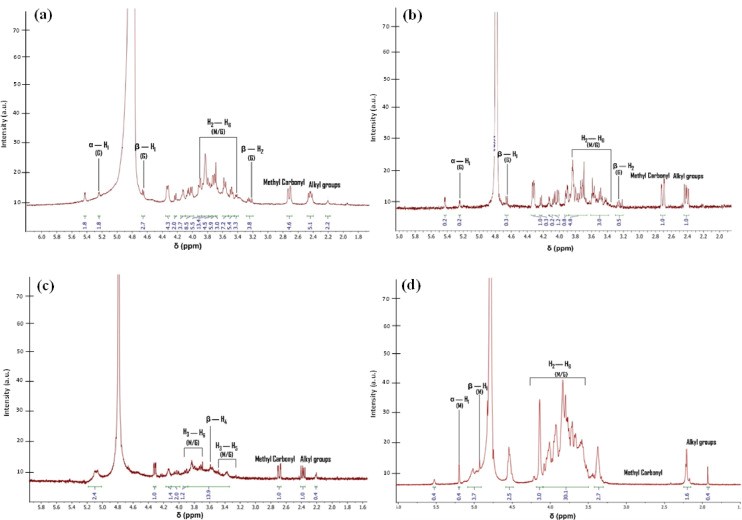
A recent study explored different purification techniques to make porang flour safer and more useful. Researchers compared soaking methods (30 minutes and 7 days) with centrifugation to reduce harmful oxalates while preserving valuable glucomannan. The results showed that:
- Centrifugation produced samples with very low potassium oxalate content.
- 7-day soaking was an effective and simpler method, significantly lowering oxalic acid levels compared to shorter soaking.
- All samples retained important compounds like mannose and glucose, which make porang flour valuable for various applications.
The findings highlight that with the right purification method, porang flour can be transformed into a safe and high-quality material. This opens the door for its use in medical biomaterials, such as drug carriers or wound-healing products, in addition to its existing role in health foods.
This research strongly connects to the UN Sustainable Development Goals (SDGs):
- SDG 3: Good Health and Well-Being – by reducing harmful substances and enabling safer medical and food applications.
- SDG 12: Responsible Consumption and Production – by maximizing the potential of natural local resources like porang through sustainable processing methods.
Porang, once known mainly as a local crop, may soon play a bigger role in advancing both health and sustainability worldwide.
Source: https://www.scopus.com/record/display.url?eid=2-s2.0-85213876817&origin=resultslist
27/Fis/2025