

Geothermal Power Plants Host Hidden Biodiversity: New Study Reveals Amphibians and Reptiles in West Java
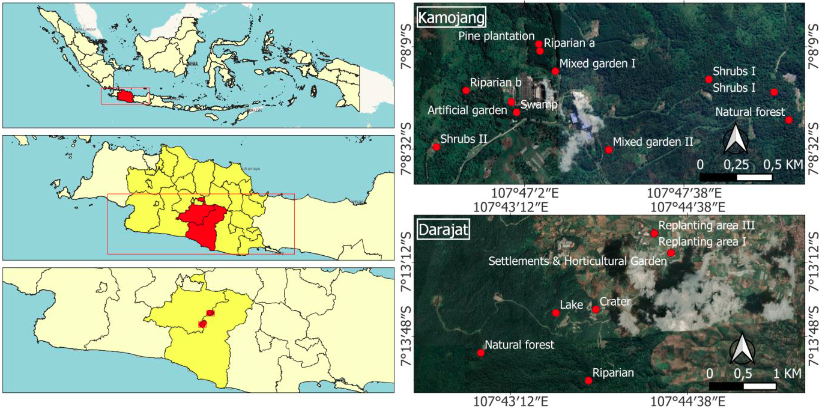

Garut, Indonesia — A groundbreaking study published in Biodiversitas uncovers the rich diversity of amphibians and reptiles thriving around the Kamojang and Darajat geothermal power plants in West Java, Indonesia. Conducted from 2019 to 2023, the research provides the most comprehensive assessment yet of herpetofauna in areas undergoing rapid land-use changes due to energy development.
The study, led by Erri Noviar Megantara and colleagues from Universitas Padjadjaran, identified 37 species of herpetofauna—18 amphibians and 19 reptiles—across various land cover types including natural forests, riparian zones, pine plantations, swamps, shrubs, and mixed gardens. Notably, three species—the Javan torrent frog (Huia masonii), the Indonesian false bloodsucker (Pseudocalotes tympanistriga), and Reinwardt’s frog (Rhacophorus reinwardtii)—are endemic to Java, underscoring the area’s conservation value.
The findings show that natural forests and riparian zones support the highest species richness, while monoculture pine plantations and heavily altered habitats have much lower diversity. Abiotic factors such as temperature, soil moisture, and canopy cover strongly influenced species distribution. Some adaptable species, like the Asian common toad (Duttaphrynus melanostictus), were found in both natural and modified habitats, while sensitive species relied heavily on undisturbed environments.
The Importance
Amphibians and reptiles play crucial ecological roles as predators, prey, pest controllers, and bioindicators of environmental health. Their presence reflects ecosystem balance, while their decline often signals ecological degradation.
The research highlights how geothermal development, agriculture, and deforestation are reshaping local habitats, with direct consequences for biodiversity. While geothermal energy is considered a “green” resource, this study stresses that its expansion must be coupled with sustainable land management and biodiversity conservation. Protecting natural forests and maintaining ecological corridors are essential to prevent species loss and ensure that clean energy development does not come at the cost of ecological resilience.
Link to the Sustainable Development Goals (SDGs)
The study directly supports SDG 15: Life on Land, which calls for halting biodiversity loss and promoting the sustainable use of terrestrial ecosystems. By documenting the herpetofauna diversity in geothermal landscapes, the research provides valuable data for balancing renewable energy expansion with conservation priorities.
Ensuring the survival of amphibians and reptiles not only preserves biodiversity but also strengthens ecosystem services critical for human well-being, including pest regulation and ecological stability.
Looking Ahead
The authors emphasize the need for ongoing monitoring, conservation programs, and collaboration between energy companies, researchers, and local communities. By integrating biodiversity protection into geothermal operations, Indonesia has the opportunity to showcase how clean energy and conservation can go hand in hand.
This research sends a powerful message: the future of renewable energy must also safeguard the natural heritage hidden within its landscapes.
04/Bio/2025