

Mathematical Modelling for Community Based Intervention for Managing Diabetes: A Systematic Literature Review
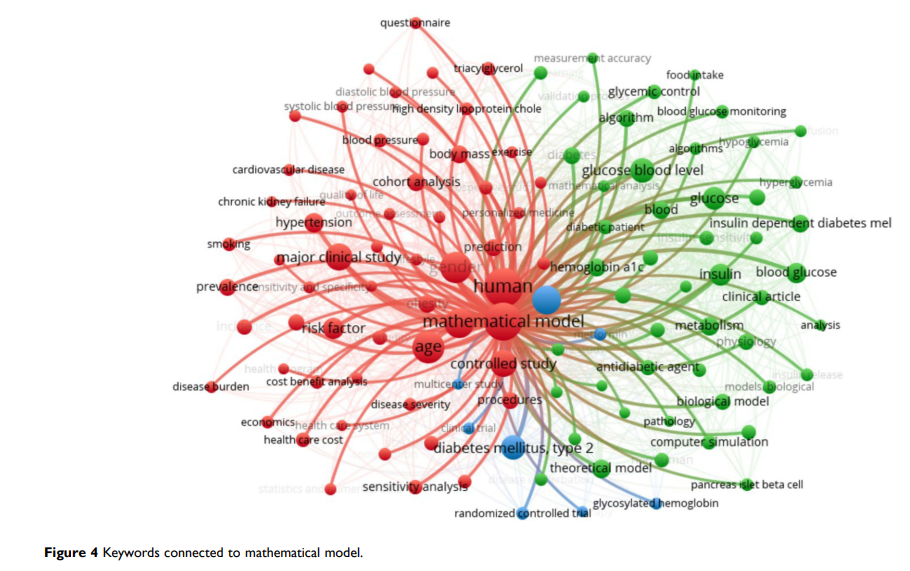
A research team consisting of Aalbrecht A. Irawan, Nursanti Anggriani, Yudhi Andriyana, and Rizky Abdulah has conducted a systematic literature review on the application of mathematical modelling for community-based interventions in managing diabetes. The work represents an interdisciplinary collaboration between mathematics, public health, and clinical pharmacy.
The problem addressed is that diabetes continues to rise globally, creating a heavy burden on healthcare systems and communities. While community-based interventions show promise in improving prevention and management, it remains difficult to measure and optimize their effectiveness without rigorous analytical frameworks.
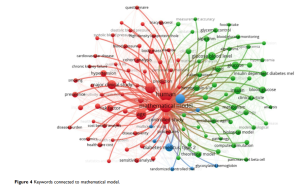
To tackle this challenge, the authors reviewed existing mathematical models applied to diabetes interventions. These models incorporate disease progression, intervention strategies, lifestyle modifications, and healthcare costs, helping to predict outcomes and evaluate the cost-effectiveness of programs at the community level.
The study concludes that mathematical models are vital for designing effective, scalable, and sustainable diabetes programs. They provide policymakers with evidence-based tools to implement strategies that reduce prevalence, improve patient outcomes, and optimize resource allocation.
This research contributes directly to several United Nations Sustainable Development Goals (SDGs):
- SDG 3 (Good Health and Well-Being): advancing strategies for prevention and management of non-communicable diseases.
- SDG 10 (Reduced Inequalities): supporting equitable access to effective interventions.
- SDG 9 (Industry, Innovation, and Infrastructure): applying innovative modelling methods in healthcare.
- SDG 17 (Partnerships for the Goals): strengthening interdisciplinary collaboration across health and mathematics.
Overall, this study shows how mathematical modelling can transform community-based diabetes care, guiding better decision-making for sustainable and equitable healthcare systems.
09/Mat/2025