

Ocean Wave Energy: Unlocking Indonesia’s Marine Power for a Clean Future
Bandung — A research team from Universitas Padjadjaran has explored the potential of harvesting ocean wave energy through Oscillating Water Column (OWC) technology in Indonesian waters. Their findings, published in the International Journal of Energy and Power Management (2025), show that marine energy could become a key source of clean power for Indonesia’s future, while supporting the achievement of the United Nations Sustainable Development Goals (SDGs).
Indonesia’s Untapped Marine Potential
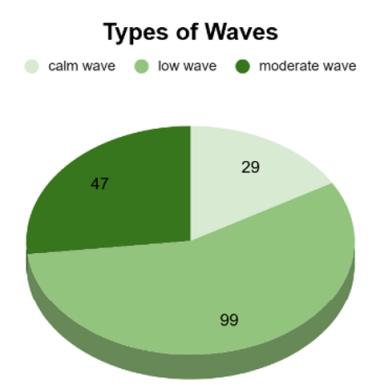
With one of the longest coastlines in the world, Indonesia holds vast marine energy reserves. Strong and consistent wave activity in several regions presents an enormous opportunity to generate electricity sustainably. Among the technologies available, the OWC system stands out for its ability to transform the vertical motion of waves into usable power.
Measuring OWC Efficiency in Local Waters
The researchers analyzed oceanographic data from selected Indonesian seas and simulated how OWC systems convert wave energy into electricity. Their simulations confirmed that the technology can operate with high efficiency, particularly in areas where wave intensity is stable throughout the year.
Findings That Inspire Confidence
- Indonesian waters possess significant wave energy potential, making them suitable for renewable energy projects.
- OWC systems proved efficient in converting wave energy into power, demonstrating their feasibility for coastal deployment.
- Wave energy could complement solar and wind power, creating a more resilient and diversified renewable energy mix.
“This study proves that wave energy is not just a theoretical idea—it is a real opportunity to strengthen Indonesia’s energy independence,” said the research team.
Supporting the Energy Transition and SDGs
The study’s contributions extend to multiple SDGs:
- SDG 7 (Affordable and Clean Energy): unlocking a new, abundant, and sustainable energy source.
- SDG 13 (Climate Action): reducing dependence on fossil fuels and lowering carbon emissions.
- SDG 9 (Industry, Innovation, and Infrastructure): advancing innovation in marine energy technologies tailored to Indonesia.
- SDG 14 (Life Below Water): promoting environmentally responsible technologies that preserve marine ecosystems.
Charting a Path Toward Marine Energy Development
With the right policies and investment, ocean wave energy could play a pivotal role in Indonesia’s energy transition. This study provides an important scientific foundation for further exploration, policymaking, and infrastructure development—paving the way for a cleaner, more sustainable, and climate-resilient future.
Source: https://www.iieta.org/journals/ijepm/paper/10.18280/ijepm.100113
#UnpadResearch #MarineEnergy #StatisticalModelling
02/Stat/2025