

Scientists Decode Genome of Rice-Friendly Fungus for Sustainable Farming
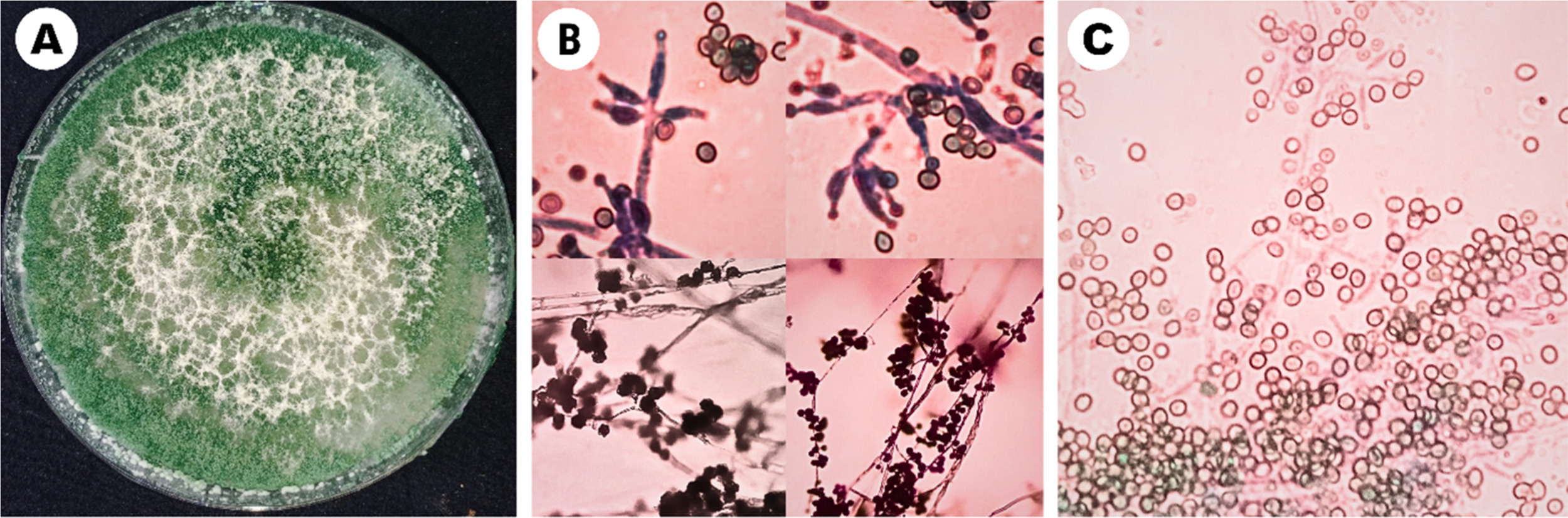

West Java, Indonesia – An international team of researchers has mapped the complete genome of Trichoderma yunnanense strain TM10, a beneficial fungus that both promotes rice growth and protects against major crop diseases. Published in Data in Brief (Elsevier, 2025), this is the first genomic data available for the species, offering new possibilities for sustainable agriculture.
A Natural Ally for Rice Farmers
Rice farmers worldwide face heavy losses from blast (Pyricularia oryzae) and sheath blight (Rhizoctonia solani), often relying on costly fertilizers and fungicides. TM10, isolated from the soil of rice plants grown under the System of Rice Intensification (SRI) in West Java, shows dual benefits: it boosts plant growth while suppressing pathogens.
Earlier studies found that TM10 improves seed germination, root and shoot development, and photosynthesis. It also produces enzymes such as chitinases and cellulases that degrade pathogens’ cell walls, strengthening rice plants’ defenses.
Unlocking the Genetic Blueprint
Using the MGI DNBSEQ-G400 sequencing platform, the team assembled a high-quality draft genome of 36.5 million base pairs, identifying 9,348 genes. These include genes for:
- Secondary metabolites that inhibit pathogens.
- Growth-promoting compounds like indole-3-acetic acid (IAA) and phosphatases.
- Cell wall-degrading enzymes crucial for biocontrol.
This genetic map provides researchers with a “toolbox” to study and optimize TM10’s beneficial traits, making it easier to design biofertilizers and biocontrol products.
Why It Matters
The research offers a sustainable alternative to chemical-intensive rice farming. By reducing reliance on pesticides and fertilizers, TM10 could lower production costs, minimize environmental damage, and strengthen food security. Importantly, it is adapted to SRI practices—an eco-friendly rice-growing method already used by many smallholder farmers.
Contribution to Global Goals
The study directly supports UN Sustainable Development Goal (SDG) 2: Zero Hunger, which calls for sustainable food production systems and resilient agricultural practices. TM10 contributes by:
- Boosting productivity through natural growth stimulation.
- Reducing chemical inputs, helping preserve soil and water health.
- Supporting smallholder farmers with affordable, nature-based solutions.
Collaboration and Next Steps
The project involved scientists from Universitas Padjadjaran (Indonesia), Universiti Malaya (Malaysia), and Cornell University (USA). Funding came from Kementerian Pendidikan, Kebudayaan, Riset, dan Teknologi Republik Indonesia.
Lead researcher Febri Doni noted:
“With the genome in hand, we can better understand how T. yunnanense TM10 interacts with rice plants and pathogens. This knowledge paves the way for eco-friendly solutions that benefit farmers and the environment.”
Future studies will focus on field testing and validating the specific genes responsible for TM10’s growth-promoting and biocontrol powers.
A Step Toward Greener Agriculture
Decoding TM10’s genome is more than a scientific milestone—it is a step toward resilient, low-input farming systems. As rice remains the lifeline for billions, harnessing the natural power of microbes like TM10 could play a crucial role in feeding the world sustainably.
Source: https://www.sciencedirect.com/science/article/pii/S2352340925000150
15/Bio/2025