

Smart Chatbots for Smarter Campuses: Unpad Researchers Build Curriculum Q&A System
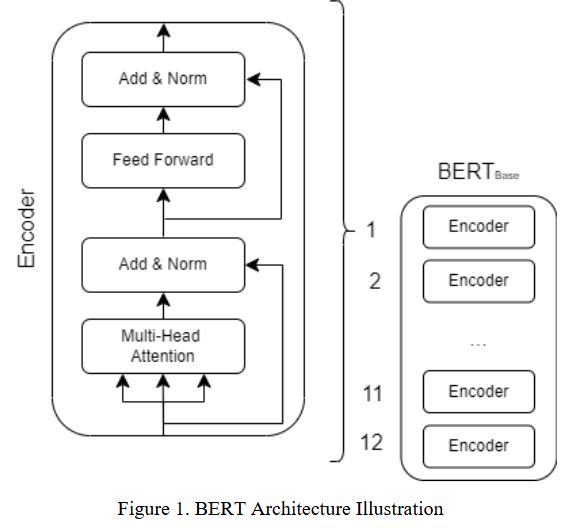

Getting quick answers about your study program’s curriculum can sometimes be tricky—lecturers and staff are not always available, and students’ questions may pile up unanswered. To tackle this issue, a team from Universitas Padjadjaran has developed an intelligent chatbot that can understand students’ questions and provide accurate information instantly.
In their recent published article, “NLP-Based Intent Classification Model for Academic Curriculum Chatbots in Universities Study Programs”, the study was conducted by Najma et. al. from Department of Statistics in collaboration with Department of Computer Science, FMIPA Unpad.
The researchers optimized the IndoBERT model, a natural language processing (NLP) technique, to classify students’ intents when asking curriculum-related questions. One major challenge was dealing with imbalanced data—some types of questions were much less frequent than others. To overcome this, the team applied data augmentation, a method that enriches datasets without losing their meaning.
The result? An outstanding 98,7% accuracy in classifying intents, making the chatbot highly reliable for multiple types of student queries. With such performance, this innovation shows great promise in reducing the burden on academic staff, improving response time, and enhancing students’ access to vital academic information.
This breakthrough also contributes to the Sustainable Development Goals (SDGs):
- SDG 4 (Quality Education): by ensuring students have equal, fast, and accurate access to academic information.
- SDG 9 (Industry, Innovation, and Infrastructure): through the development of innovative digital infrastructure in education.
- SDG 16 (Peace, Justice, and Strong Institutions): by strengthening transparency and responsiveness in higher education services.
With AI-driven solutions like this, Unpad is paving the way for smarter campuses, where technology not only supports learning but also builds a more efficient and inclusive academic environment.
Source: https://www.scopus.com/record/display.url?eid=2-s2.0-105002746937&origin=resultslist