

Smarter Healthcare with AI and IoT: Medical Robots Supporting COVID-19 Response

In the face of the COVID-19 pandemic, protecting healthcare workers has been one of the biggest challenges. The use of Personal Protective Equipment (PPE) is critical, but supplies are often limited and cannot fully protect staff from exposure during long hours of care. To help overcome this challenge, researchers have successfully developed a Medical Robot-Controlled Intelligent Assistive Technology (MR-IAT) — an autonomous medical robot powered by Artificial Intelligence (AI) and the Internet of Things (IoT).
The MR-IAT is designed to reduce direct contact between medical staff and patients by taking over some of the routine but essential tasks in healthcare services. This robot can:
- Track and navigate hospital environments,
- Detect patient faces and mask usage,
- Avoid obstacles,
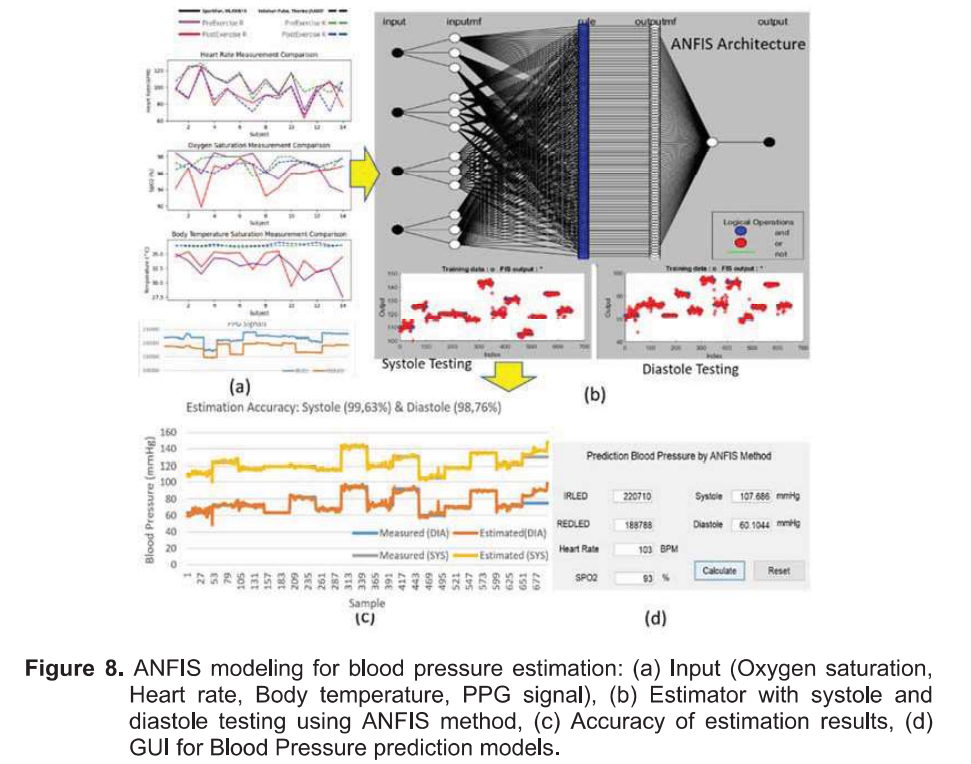
- Measure biosignals such as heart rate, body temperature, and even estimate blood pressure,
- Perform UV-based auto disinfection,
- Automate drawers for safe delivery of food, medicine, or medical tools.
During testing, the MR-IAT successfully delivered food to three different rooms in sequence with accuracy above 95%. For patient identification and mask detection, the robot achieved a detection accuracy of more than 95%, while its biosignal monitoring system showed about 98% accuracy in blood pressure estimation.
This innovation not only improves hospital efficiency but also provides a safer working environment for medical personnel. By minimizing physical interaction, it reduces infection risks and helps ensure continuous patient care, especially during health crises like COVID-19.
Supporting the Sustainable Development Goals (SDGs)
The development of MR-IAT directly supports several United Nations Sustainable Development Goals (SDGs):
- SDG 3: Good Health and Well-being – by enhancing patient monitoring and protecting healthcare workers.
- SDG 9: Industry, Innovation, and Infrastructure – by applying advanced AI and IoT technologies to create smarter healthcare solutions.
- SDG 11: Sustainable Cities and Communities – by strengthening health systems to be more resilient in times of crisis.
As the world continues to adapt to new health challenges, innovations like MR-IAT prove that technology can play a crucial role in making healthcare safer, smarter, and more sustainable.
Source: http://www.ceser.in/ceserp/index.php/ijai/article/view/6967
TE-01/24