

Smarter Sensors for Safer Asthma Treatment
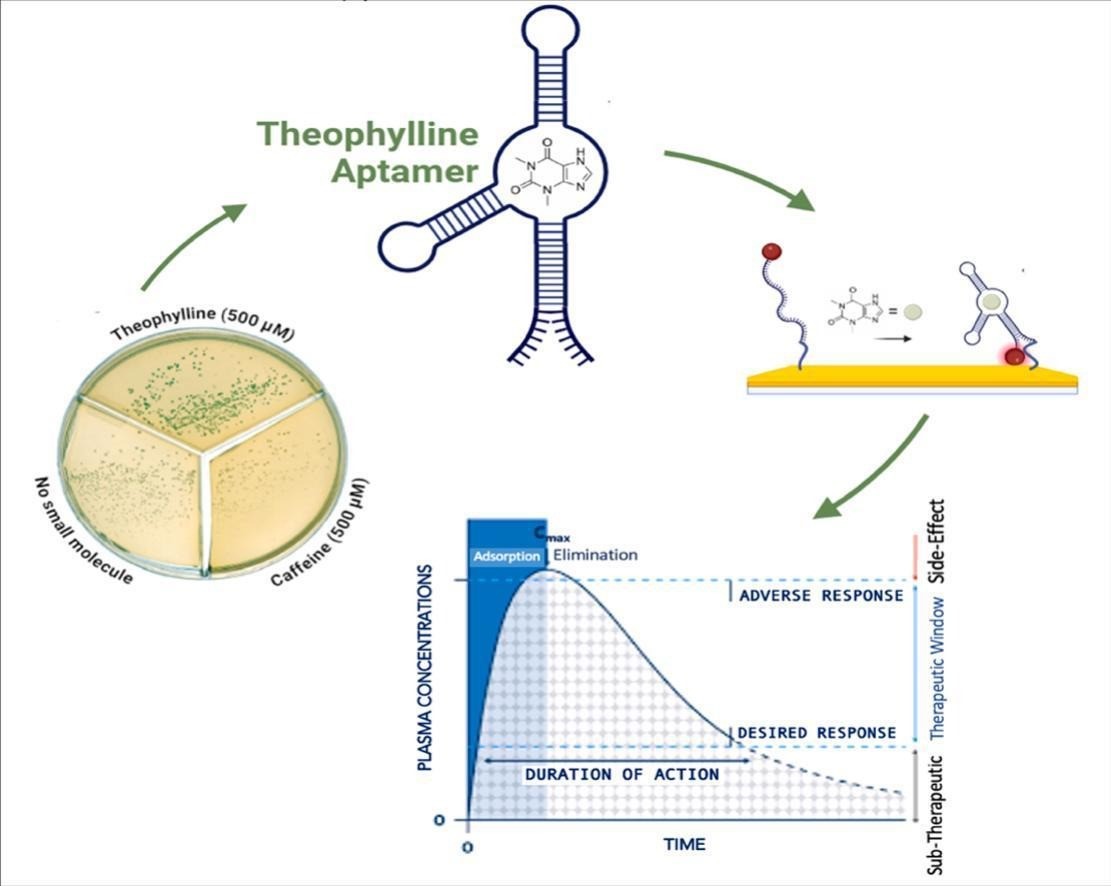

Asthma remains one of the most common chronic respiratory diseases worldwide, affecting both children and adults. To relieve symptoms such as shortness of breath, wheezing, and chest tightness, patients are often prescribed theophylline, a bronchodilator that has been used for decades. However, unlike many other medicines, theophylline comes with a challenge—it has a very narrow therapeutic window. Safe blood levels range only between 20–200 μM. Below this range, the medicine may not work effectively, but above it, the drug can quickly become toxic and dangerous. This makes regular monitoring of theophylline levels critical for patient safety.
Conventional laboratory methods like high-performance liquid chromatography (HPLC), spectroscopy, fluorescence polarization immunoassay, and radioimmunoassay have long been used to monitor theophylline. These techniques provide accurate results, but they are often expensive, require large sample volumes, involve complicated preparation steps, and take a long time to deliver results. Such limitations make them less practical for routine checks or for use in smaller healthcare facilities.
In recent years, scientists have turned to a promising solution: aptamer-based biosensors, also called aptasensors. Aptamers are short strands of DNA or RNA that can bind to specific molecules with high precision—like a lock and key. When applied to theophylline monitoring, aptasensors offer several advantages over conventional methods. They are simple to use, provide results quickly, and are far more cost-effective. Importantly, they can also be adapted for point-of-care (POC) testing, allowing patients and healthcare workers to monitor drug levels in real time without the need for sophisticated laboratory equipment.
Studies comparing aptasensors with traditional techniques have shown encouraging results. Aptamer-based sensors demonstrate excellent sensitivity, specificity, and accuracy, making them a reliable alternative to HPLC and other established methods. Because of their small sample requirement and rapid processing, they are especially suitable for frequent monitoring, which is essential for long-term asthma management.
This advancement directly supports Sustainable Development Goal (SDG) 3: Good Health and Well-being, which emphasizes access to safe, effective, and affordable healthcare technologies. By improving how asthma patients manage their treatment, aptamer-based biosensors have the potential to reduce complications, prevent hospitalizations, and improve quality of life.
With further development and wider adoption, these smart biosensors could mark the beginning of a new era in personalized medicine—where treatments are safer, more precise, and more accessible to everyone who needs them.
#UnpadResearch #Aptamer #GoodHealth
Link to the paper: https://www.sciencedirect.com/science/article/abs/pii/S0009898125000798
36/Kim/2025