

Tiny Particles, Big Hope: Nanotechnology Breakthroughs for Safer Cancer Diagnosis
medicine, allowing doctors to see inside the human body without surgery. To make MRI scans clearer, doctors use contrast agents. However, many of the contrast agents used today are chelate-based and can sometimes pose safety risks.
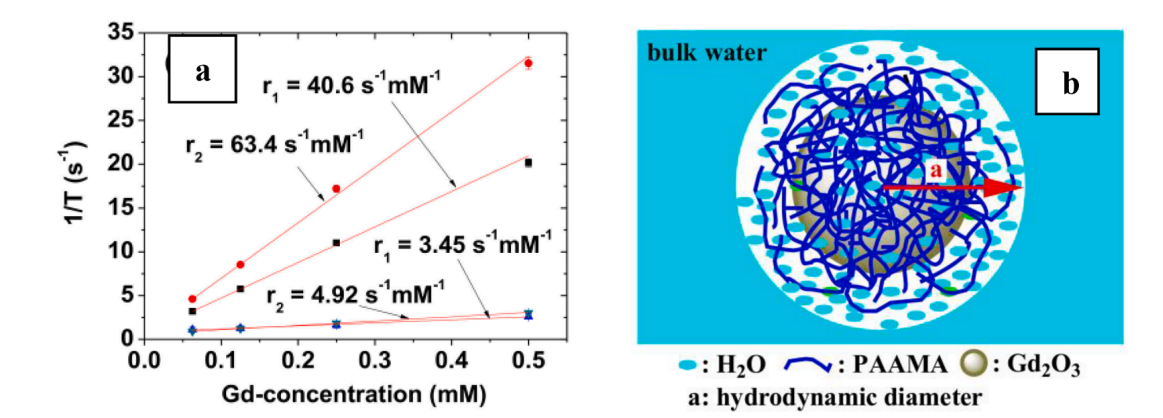
To address this challenge, researchers are exploring a new generation of safer, smarter alternatives—lanthanide-based nanoparticles. These tiny particles, smaller than 100 nanometers, are designed to enhance MRI images while reducing potential side effects. Their unique paramagnetic properties allow for sharper images, better stability, and longer circulation in the body, making them highly suitable for detecting diseases like cancer.
What makes these nanoparticles especially promising is their versatility. By adjusting their size, shape, and surface coating, scientists can optimize performance for specific medical needs. For example, rod-shaped nanoparticles can provide stronger MRI signals, while spherical ones offer better stability in the bloodstream. Researchers are also experimenting with attaching special molecules to the surface, which help guide the nanoparticles directly to tumor cells. This means doctors could one day use MRI scans not only to detect cancer earlier but also to deliver targeted treatments at the same time.
This innovation aligns with the global goal of ensuring healthy lives and well-being for all (SDG 3). By minimizing toxicity and improving accuracy in cancer diagnosis and therapy, lanthanide-based nanoparticles hold the potential to revolutionize radiology and make treatments both safer and more effective.
While more studies and safety evaluations are still needed before clinical use, the rapid progress in this field offers hope for a future where diagnosis and therapy can be combined in a single, precise, and less harmful approach.
#UnpadResearch #Nanoparticles #HealthInnovation #SDG3
Link to the paper: https://www.sciencedirect.com/science/article/pii/S2352952024000276
30/Kim/2025