
Bandung — Dengue fever remains a recurring health threat in Indonesia’s urban centers. Behind the rising numbers of cases lies a hidden pattern that is not always visible at first glance. Now, researchers from Universitas Padjadjaran have introduced a new way to reveal it: spatio-temporal statistical mapping.
Statistics that Can “See” Space and Time
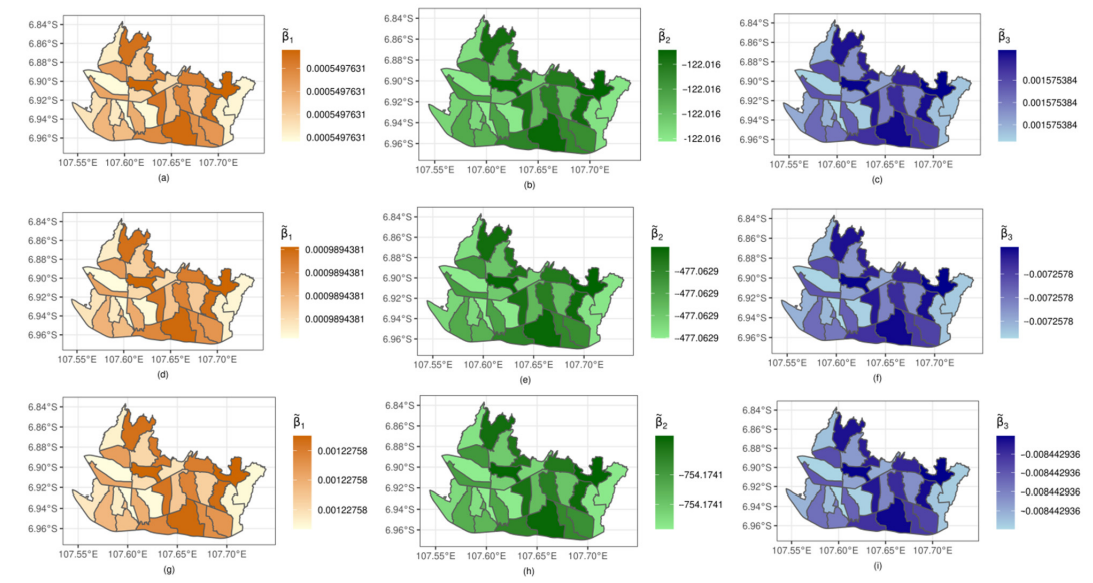
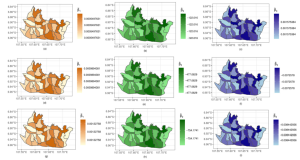
Instead of simply counting cases, the team applied the Space-Time Varying Coefficient Model (STVCM). This advanced statistical approach shows how factors such as rainfall or population density do not always have the same impact across different areas and periods.
As a result, dengue data in Bandung no longer appear as static figures, but rather as dynamic patterns shifting from one district to another, from one season to the next.
Revealing Unexpected Insights
Some areas in Bandung were found to be more sensitive to rainfall, while others were more influenced by population density. These effects also changed over time, highlighting that a one-size-fits-all approach cannot effectively address dengue prevention.
“This analysis helps us see that prevention strategies must be tailored to the characteristics of each area,” the research team explained.
Turning Data into Action
These findings go far beyond numbers. With more detailed mapping, local authorities can:
- Prioritize mosquito control programs in high-risk neighborhoods.
- Target health education campaigns in areas most vulnerable during certain seasons.
- Design evidence-based policies to reduce the burden of dengue.
Connection to the SDGs
This study aligns with the United Nations Sustainable Development Goals (SDGs):
- SDG 3 (Good Health and Well-being): strengthening infectious disease prevention.
- SDG 11 (Sustainable Cities and Communities): building healthier, more resilient urban environments.
- SDG 13 (Climate Action): linking climate factors with public health outcomes.
A Healthier Future for Bandung
By combining data, technology, and advanced statistical models, this research offers hope that dengue can be better mapped, predicted, and ultimately prevented. Bandung may serve as an example of how science can guide cities in facing health challenges in an era of climate change.
Source: https://www.mdpi.com/2227-7390/13/12/1995
#UnpadResearch #DengueFever #StatisticalModels
03/Stat/2025