
Turning Agricultural Waste into Sustainable Sheep Feed
 In an exciting step toward sustainable livestock farming, researchers from Universitas Padjadjaran have shown that rice husks—typically an agricultural waste—can be cleverly repurposed to support healthier livestock and a cleaner environment. Their recent study on Garut sheep, titled “Fermentability, digestibility, and gas production of Garut sheep fed maize straw silage-based rations balanced with rice bran and rice husks (in vitro),” explored how different levels of rice husk could replace rice bran in sheep feed without compromising rumen health and digestibility.
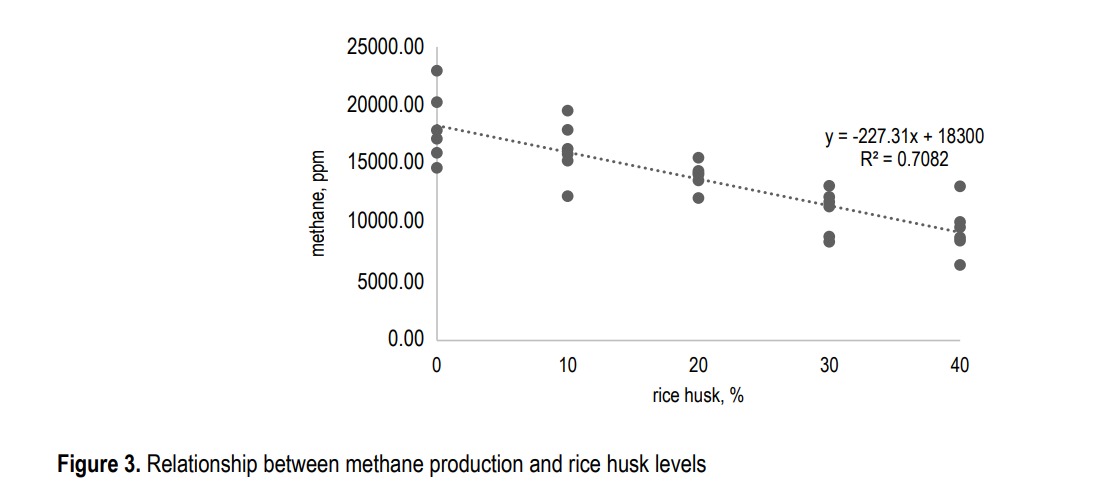
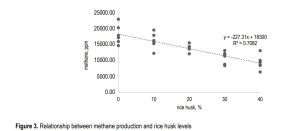
Using a maize straw silage-based ration, the team discovered that replacing up to 50% of rice bran with rice husk (or adding rice husk up to 20% of dry matter) still maintained acceptable digestibility and rumen fermentability. Even better, this mix significantly reduced total gas and methane production—an environmental bonus! By reducing greenhouse gas emissions from livestock, this innovation doesn’t just benefit animal health—it also contributes to global sustainability goals.
The study aligns directly with Sustainable Development Goal #3 (Good Health and Well-Being) by promoting animal welfare and optimizing feed quality, which is crucial for the health of livestock-dependent communities. By engaging in interdisciplinary studies that touch agriculture, sustainability, and public health, UNPAD continues to demonstrate leadership in addressing the UN’s Sustainable Development Goals—especially in ensuring good health, sustainable food systems, and responsible production practices.
Link: https://www.jafs.com.pl/pdf-190441-113442?filename=Fermentability_.pdf
#UNPAD #MatematikaDanIlmuPengetahuanAlam #SDG3 #SustainableAgriculture
02/TE/2025