

Turning Local Limestone into High-Value Biomedical Material: A Sustainable Path from West Java

Researchers have successfully developed a simple and efficient way to create vaterite fine powder calcium carbonate (CaCO₃) from natural limestone in Padalarang, West Java. This breakthrough not only adds value to Indonesia’s abundant natural resources but also opens opportunities for advanced applications in biomedicine, particularly drug delivery systems.
Calcium carbonate, a compound commonly found in limestone, exists in three forms: calcite, vaterite, and aragonite. Among them, vaterite stands out because of its spherical shape, non-toxic nature, biocompatibility, and high porosity, making it very promising for medical uses. However, producing stable vaterite is challenging due to its metastable nature.
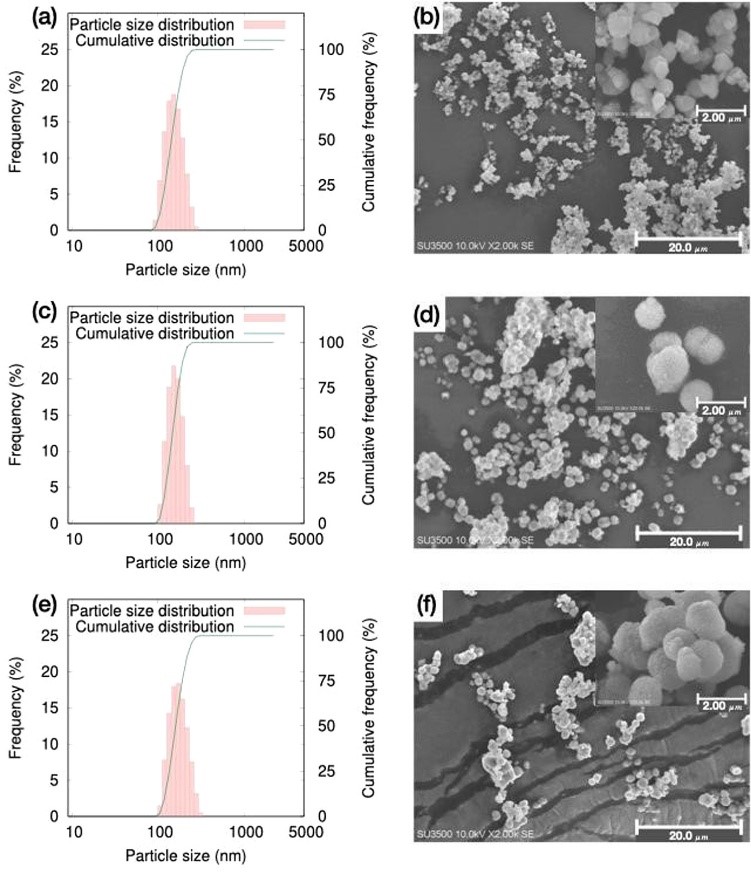
The study explored a fine-bubble carbonation method, where natural limestone was processed step by step into calcium hydroxide [Ca(OH)₂], then carbonated with fine CO₂ bubbles in a controlled environment. Researchers tested different pH levels by adding hydrochloric acid (HCl) at varying concentrations. The results showed that 0.04 M HCl produced the highest vaterite content—up to 93%, with nanoparticles sized between 114–118 nanometers.
This finding is significant because nanoparticles of this size are ideal for nanomedical applications. In drug delivery systems, for example, vaterite can act as a safe and biodegradable carrier, helping medications reach targeted areas in the body more effectively.
Beyond medicine, the approach also reflects a sustainable way of utilizing local natural resources. By applying modern technology to West Java’s limestone, the research aligns with two United Nations Sustainable Development Goals (SDGs):
- SDG 9 (Industry, Innovation, and Infrastructure): promoting innovative industrial processes by transforming raw materials into advanced biomedical products.
- SDG 12 (Responsible Consumption and Production): ensuring efficient and sustainable use of local resources with minimal environmental impact.
The researchers emphasize that further studies are needed to fully understand the mechanisms behind phase changes during synthesis. Still, this progress shows how local materials and innovative methods can contribute to global health solutions and sustainable development.
Source: https://www.scopus.com/record/display.url?eid=2-s2.0-105005880357&origin=resultslist
24/Fis/2025