

Turning Moringa Leaves into Eco-Friendly Sensors for Heavy Metal Detection


Researchers have found a sustainable way to create powerful materials for detecting heavy metals—using Moringa oleifera, often called the “miracle tree.” This breakthrough not only supports cleaner technology but also contributes to the United Nations Sustainable Development Goals (SDGs), especially SDG 6: Clean Water and Sanitation and SDG 12: Responsible Consumption and Production.
From Nature to Nanotechnology
Carbon nanodots (CNDs) are tiny, glowing particles with a wide range of applications, from medical imaging to environmental monitoring. However, traditional methods of producing CNDs often involve toxic chemicals and high costs.
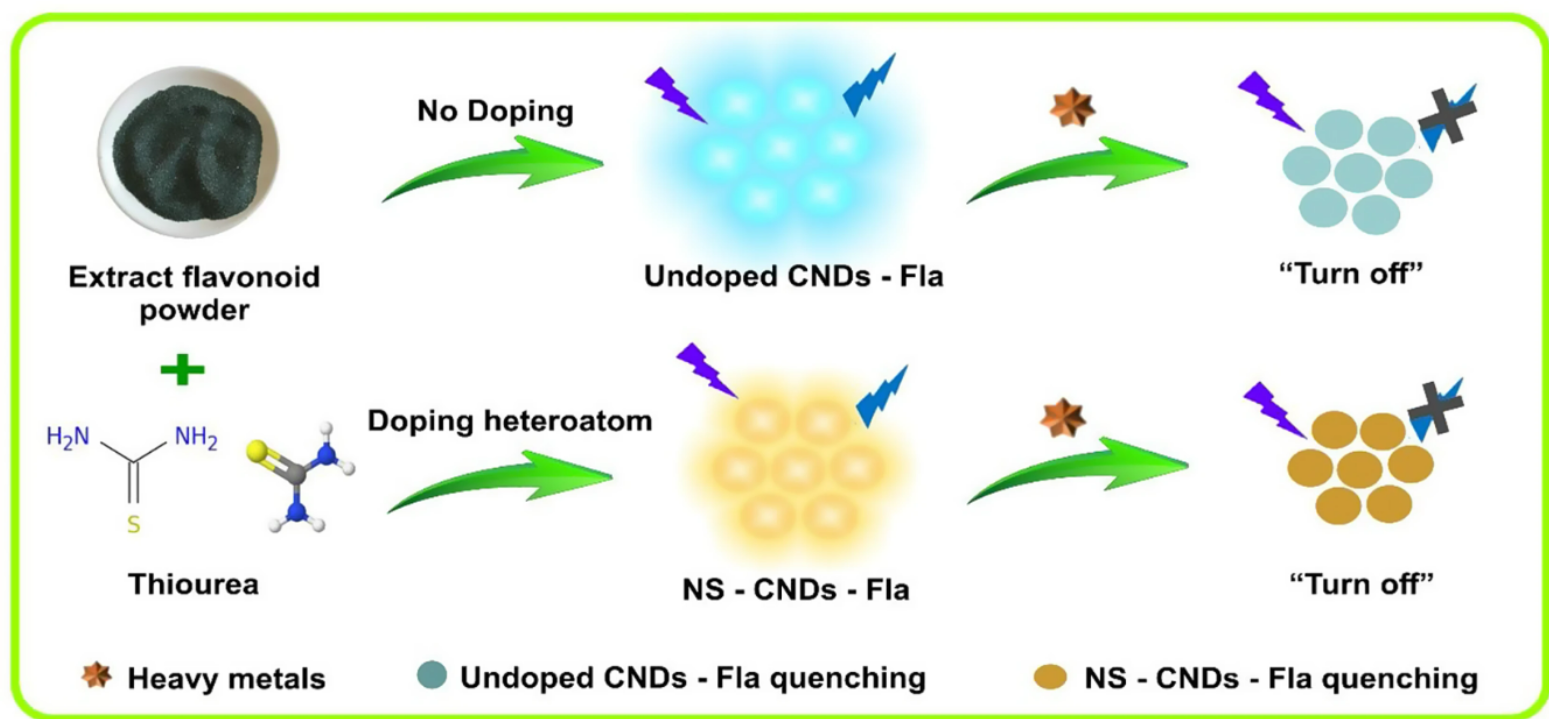
To overcome these challenges, scientists turned to green chemistry and used flavonoid extracts from Moringa leaves as a natural starting material. These leaves are rich in bioactive compounds, including flavonoids, which can naturally bind to metal ions.
The team successfully synthesized eco-friendly carbon nanodots through a simple hydrothermal method—one that is safe, affordable, and does not require specialized equipment. The resulting nanodots are incredibly small, averaging just 3.49 nanometers in diameter.
Smarter Sensors with a Green Touch
By enhancing the nanodots with nitrogen and sulfur atoms, the researchers improved their brightness and responsiveness. These advanced nanodots can detect heavy metals through a “turn-off” effect, where their glowing light dims when metals are present.
This makes them a promising tool for monitoring water pollution, offering a safer and more sustainable way to detect harmful contaminants.
Supporting Global Goals
This innovation highlights how nature-inspired science can contribute to a healthier planet. By replacing harmful chemical processes with plant-based alternatives, the research supports SDG 6 (Clean Water and Sanitation) by enabling better detection of water pollutants, and SDG 12 (Responsible Consumption and Production) by promoting eco-friendly materials.
As heavy metal contamination remains a serious issue worldwide, especially in water sources, this green technology offers hope for safer and more sustainable environmental monitoring in the future.
Source: https://www.scopus.com/pages/publications/85204771734
16/Fis/2025