

Turning Peanut Shell Waste into Smarter Cancer Therapy
Cancer treatment is entering a new era, thanks to innovations that make therapies more precise and less harmful to healthy cells. A team of researchers has developed a Zinc Oxide/Carbon-based supramolecular drug delivery system with light-responsive (photoswitching) properties that could make chemotherapy far more effective and selective.
Smarter Nanostructures from Simple Materials
The researchers created spherical nanostructures by decorating zinc oxide (ZnO) with carbon materials derived from peanut shells (PNS-C). These nanostructures spontaneously form stable gels, known as nanogels, that are highly resistant to light degradation and remain intact in biological environments.
Importantly, these nanogels are biocompatible, meaning they do not damage red blood cells, and they respond sensitively to changes in pH and light exposure.
Fighting Cancer with Light
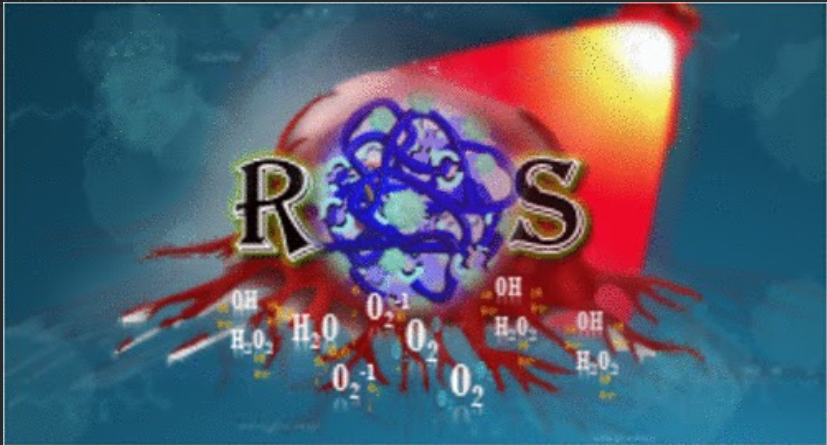
When exposed to light, the ZnO/PNS-C nanogels produced large amounts of reactive oxygen species (ROS)—highly reactive molecules that can destroy cancer cells. Laboratory tests showed that this system was highly selective, killing cancer cells while leaving healthy cells unharmed, both before and after irradiation.
This means the system could reduce the harmful side effects often associated with conventional chemotherapy, offering a safer and more targeted treatment for patients.
Why It Matters
Cancer remains one of the leading causes of death worldwide, and more effective, less toxic treatments are urgently needed. This research directly supports SDG 3: Good Health and Well-Being by advancing innovative cancer therapies.
At the same time, by using peanut shell waste to produce functional nanomaterials, the study also connects with SDG 12: Responsible Consumption and Production, showing how agricultural byproducts can be transformed into valuable medical innovations.
Toward a Sustainable Future in Cancer Therapy
This ZnO/Carbon-based supramolecular system demonstrates how smart design and renewable resources can work together to create next-generation cancer treatments. By combining biocompatibility, stability, and precise light-controlled activity, the innovation represents a major step toward sustainable, patient-friendly therapies in the global fight against cancer.
Source: https://www.scopus.com/pages/publications/85198550764
19/Fis/2025