

Unpad Lecturers Develop Statistical Method to Monitor Children’s Health
A research team from Universitas Padjadjaran have developed an advanced statistical method to help monitor children’s health over time. Their research was published in the international journal Communications in Mathematical Biology and Neuroscience.
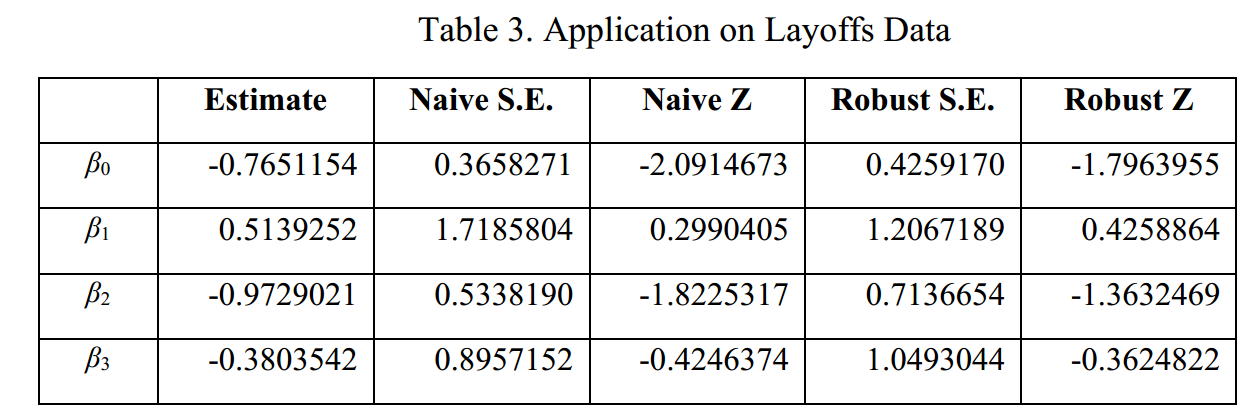
The method, called a Generalized Linear Mixed Model (GLMM) based on quasi-likelihood, allows researchers to analyze repeated measurements from the same individuals—for example, monthly or yearly health check-ups for children. By including a random component, the model can capture variations arising from repeated observations, making predictions more accurate (Tantular et l., 2025).
The approach also uses a generalized estimating equation (GEE) to account for correlations within the data, including time-dependent trends. The method has been tested through simulations and real-world data, proving effective in predicting risks such as stunting, illness, or evaluating the impact of community-based health programs.
This innovation also supports the Sustainable Development Goals (SDGs), specifically:
- SDG 3 (Good Health and Well-Being): helping make more precise health intervention decisions.
- SDG 4 (Quality Education): enhancing academic capabilities and statistical research methods in the health field.
With this method, researchers and policymakers can make faster and more accurate decisions to improve the health of children and communities.
Source: https://www.scopus.com/record/display.url?eid=2-s2.0-85217482793&origin=resultslist
22/Stat/2025