

UV-B Light Activates Shallot Defenses, Offering Eco-Friendly Protection Against Fungal Disease
YOGYAKARTA, INDONESIA – Researchers from several leading Indonesian universities, including Universitas Gadjah Mada, have discovered that treating shallots with ultraviolet-B (UV-B) light can significantly boost their natural defenses against a devastating fungal disease. The study, published in
Physiological and Molecular Plant Pathology, shows how specific UV-B treatments activate a cascade of defense-related genes in a time-dependent manner, effectively suppressing the “twisted disease” caused by the pathogen Fusarium acutatum.
Summary of the Paper
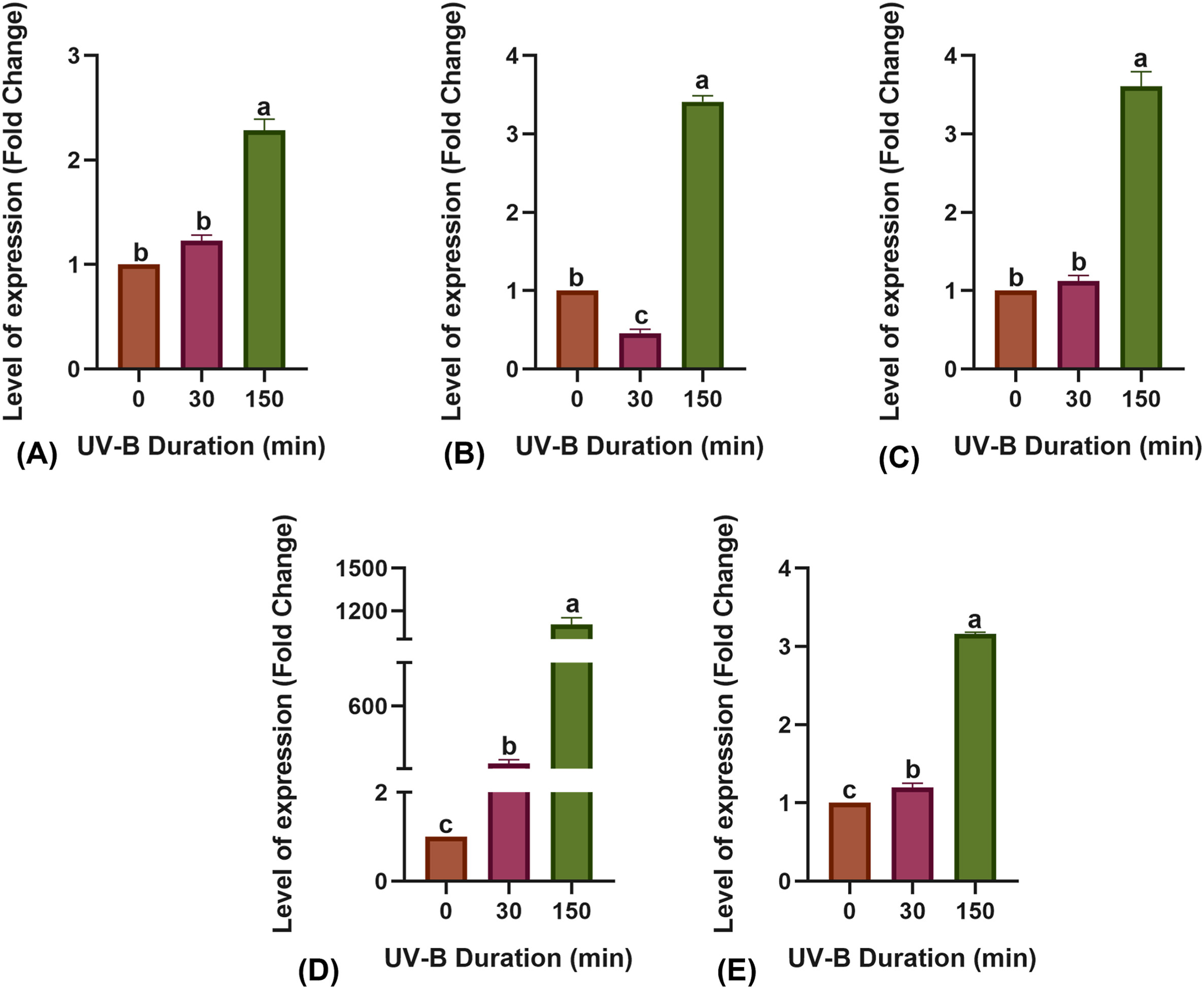
The study investigated how UV-B radiation could induce resistance in shallots, a vital and economically significant crop in Indonesia. Scientists exposed shallot seedlings to a low intensity of UV-B light for different durations and frequencies. They found that an exposure of 150 minutes, applied on three consecutive nights, was the most effective protocol. This treatment successfully reduced the incidence and intensity of
Fusarium infection and led to higher chlorophyll content, indicating healthier plants.
The core of the discovery lies in the dynamic genetic response. The UV-B exposure triggered the expression of key defense genes at different times after infection. Genes like
PR, LOX-2, and PERX showed peak activity within two to four days, mounting an early defense. Meanwhile, other genes like
CHIT and GLU, which are crucial for breaking down fungal cell walls, activated later, peaking on the sixth day. This timed response was linked to the activation of plant defense hormones, with jasmonic acid (JA) showing a more prominent increase than salicylic acid (SA) on the fifth day.
The Importance
Twisted disease in shallots causes substantial yield losses, threatening the livelihood of farmers and the nation’s food security. Currently, control of this disease relies heavily on chemical fungicides, which can have negative environmental impacts. This research is important because it presents a viable, eco-friendly alternative. By harnessing the plant’s own defense systems through a simple light treatment, it’s possible to enhance crop resilience without chemical intervention. The findings provide a strong scientific basis for integrating UV-B treatments into agricultural practices, potentially for preparing healthy seedlings before they are planted in the field, thus reducing dependence on pesticides.
Relation to Sustainable Development Goals (SDGs)
This work strongly supports Sustainable Development Goal 12: Responsible Consumption and Production. A key target of this goal is to achieve the environmentally sound management of chemicals and reduce their release to air, water, and soil to minimize their adverse impacts on human health and the environment. By demonstrating an effective, non-chemical method to control a major crop disease, this research contributes directly to reducing the agricultural sector’s reliance on chemical fungicides. This promotes a more sustainable model of agriculture that protects both crop yields and environmental health.
Journal Link: https://doi.org/10.1016/j.pmpp.2024.102559
20/Bio/2025