
A recent bioinformatics study has uncovered new hope in the fight against COVID-19 by exploring natural compounds from the Erythrina plant family. Researchers screened 473 flavonoids—natural substances commonly found in plants—to see if any could help block the coronavirus from entering human cells.
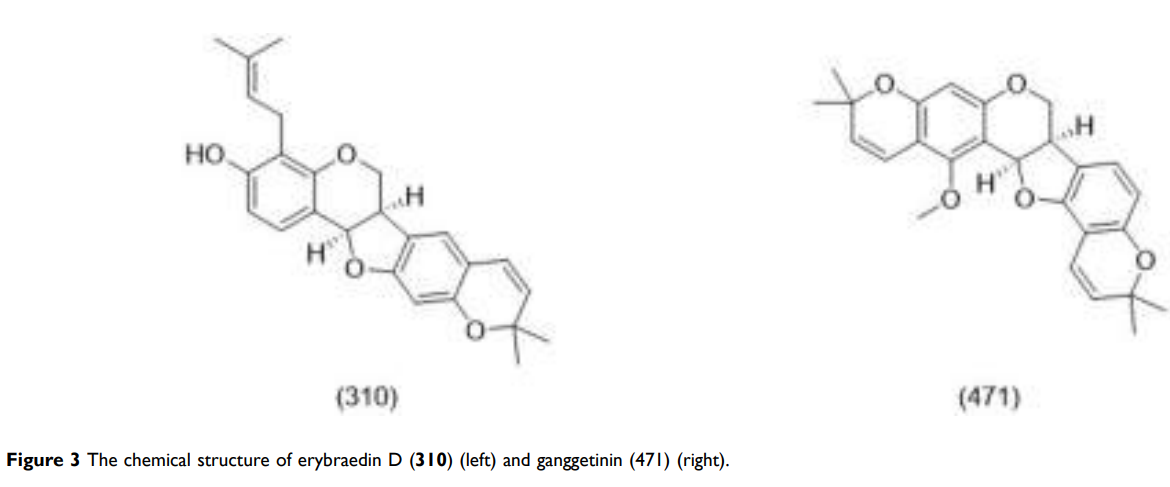
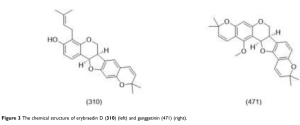
The study focused on how these flavonoids interact with the ACE2 receptor, the “gateway” the SARS-CoV-2 virus uses to infect the body. After an extensive computer-based analysis, two compounds stood out: erybraedin D and gangetinin. Both showed strong potential to block the virus’s entry point, with stable and safe properties that make them attractive candidates for drug development.
Importantly, these compounds were predicted to be non-toxic, unlikely to harm the liver, and safe for human use according to pharmacological screenings. They also met the widely accepted “drug-likeness” criteria used in pharmaceutical research.
While these findings are still based on virtual simulations, the results are promising. The researchers emphasize that further laboratory studies (in vitro experiments) are needed to confirm whether these compounds can indeed inhibit the virus in real biological settings.
This discovery connects directly with the United Nations Sustainable Development Goals (SDGs), particularly:
- SDG 3: Good Health and Well-Being – by contributing to the search for effective and safe treatments against COVID-19.
- SDG 9: Industry, Innovation, and Infrastructure – by promoting innovation in drug discovery through advanced bioinformatics tools.
- SDG 15: Life on Land – highlighting the value of biodiversity and plant-based compounds in addressing global health challenges.
As the world continues to prepare for future pandemics, research like this shows how nature and technology together can open new doors in medicine. The humble Erythrina plant, long used in traditional remedies, may one day inspire innovative treatments for modern global health threats.
Kim-05/24