
In an exciting step toward sustainable science and technology, researchers have successfully transformed ordinary chicken eggshells into advanced nanomaterials with remarkable medical and industrial potential.
The study focused on creating hydroxyapatite nanowires (HAp NWs), a bioceramic material known for its excellent compatibility with the human body. Hydroxyapatite is often used in bone implants, dental care, and drug delivery systems. What makes this research stand out is its use of eggshell waste—a common kitchen by-product—as a key ingredient.
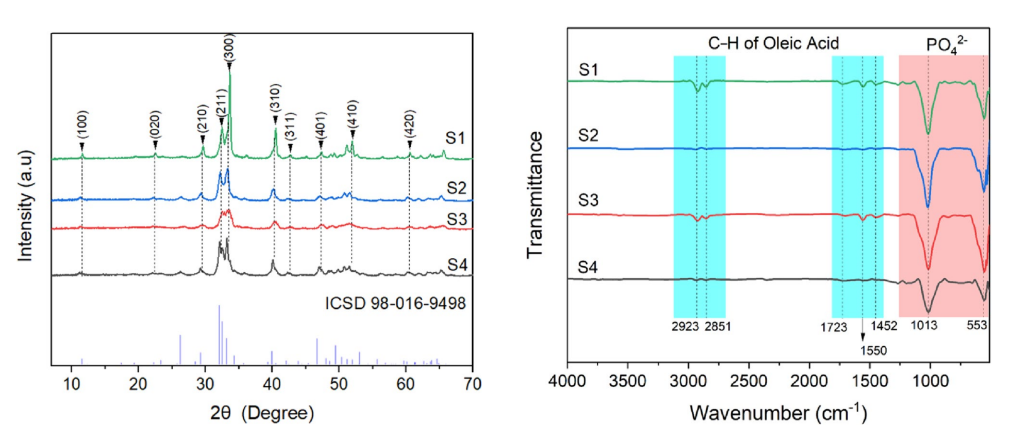
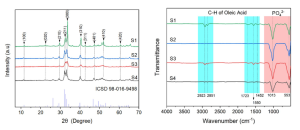
Using a solvothermal method with oleic acid as a soft template, the team synthesized HAp nanowires with extremely small diameters—some as thin as 174 nanometers, far smaller than a strand of human hair. These nanowires demonstrated exceptional crystallinity (up to 96%) and impressive thermal stability, retaining nearly all their mass even when heated above 800°C.
Among the variations tested, nanowires made from eggshell-derived calcium oxide with a Ca/P ratio of 2:3 proved to be the most promising, combining ultra-small size with superior heat resistance. This makes them especially valuable for future applications in biomedical devices, bone regeneration, and high-temperature engineering materials.
Beyond its scientific significance, this research aligns with the United Nations Sustainable Development Goals (SDGs). By recycling eggshell waste into high-value nanomaterials, the study contributes to:
- SDG 12: Responsible Consumption and Production – reducing food waste by repurposing eggshells.
- SDG 3: Good Health and Well-being – advancing safer, more effective biomaterials for healthcare.
- SDG 9: Industry, Innovation, and Infrastructure – promoting sustainable innovation in material science.
This breakthrough shows how everyday waste can be reimagined into resources that not only support human health but also protect the planet. With continued research, eggshell-derived nanomaterials could play a vital role in shaping a greener and healthier future.
Source: https://link.springer.com/article/10.1007/s42247-024-00716-y
Kim-08/24