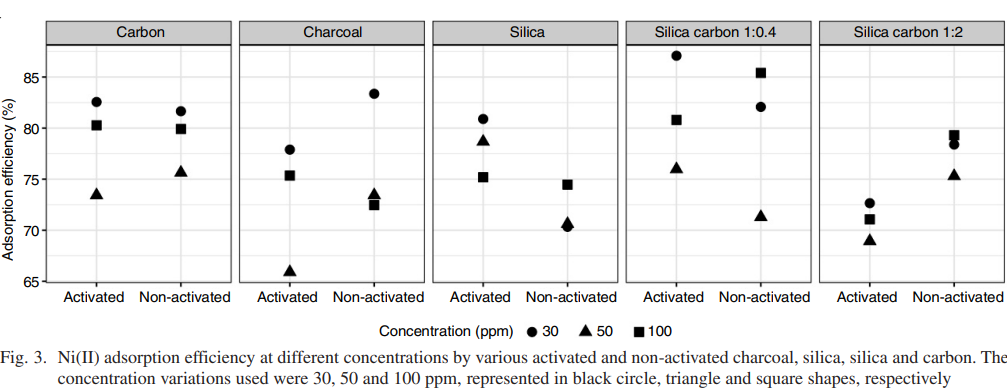

Researchers have found a promising way to turn rice husks—an abundant agricultural byproduct—into powerful materials for cleaning polluted water. The study explored how rice husk-derived adsorbents can remove toxic heavy metals such as lead (Pb), chromium (Cr), and nickel (Ni) from contaminated water.
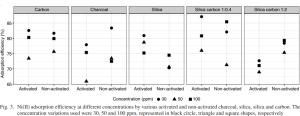
By processing rice husk into charcoal and refining it into carbon-silica, silica, and carbon, the researchers discovered that activation with hydrochloric acid (HCl) significantly boosts its effectiveness. The treated materials showed strong performance in capturing lead and chromium, especially at lower concentrations. This happens because activation increases the surface area and provides more active binding sites for the heavy metals.
Interestingly, nickel proved harder to trap, with less noticeable improvements after activation. This suggests that different metals may require specifically tailored adsorbents for maximum efficiency.
The study highlights two major benefits: reducing water pollution and giving new value to agricultural waste. With rice husks being widely available, especially in rice-producing countries, these low-cost adsorbents could become an accessible solution for communities struggling with unsafe water.
This breakthrough directly supports the United Nations Sustainable Development Goals (SDGs), particularly SDG 6: Clean Water and Sanitation and SDG 12: Responsible Consumption and Production. It shows how waste materials can be transformed into eco-friendly technologies that protect both the environment and public health.
As heavy metal contamination continues to threaten ecosystems and communities worldwide, rice husk-based adsorbents may offer a sustainable path toward cleaner, safer water.
Source: https://asianpubs.org/index.php/ajchem/article/view/36_3_12
Kim-15/24