

In a world moving toward sustainable energy, solar water heaters are becoming an increasingly important solution for reducing dependence on fossil fuels. A recent study highlights how aluminum and zinc-coated steel can serve as promising materials to improve the efficiency and affordability of solar water heating systems—especially in regions with diverse weather conditions like Indonesia.
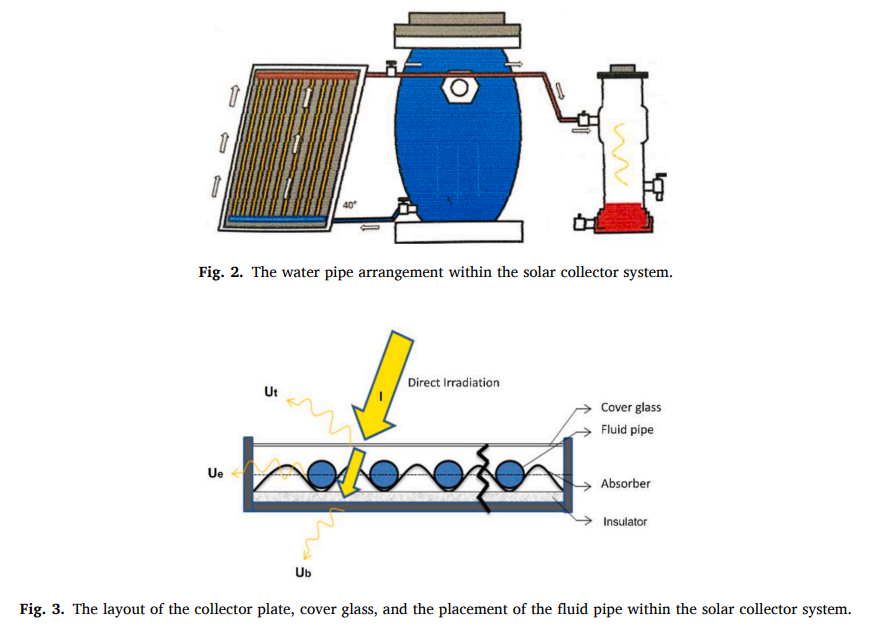
Solar collector plates, which absorb and transfer sunlight into usable heat, are at the heart of these systems. Researchers tested corrugated solar collectors made of aluminum and zinc-coated steel during both the dry and rainy seasons to evaluate their performance.
The results are encouraging:
- Aluminum collectors achieved an average efficiency of 41.45% (without water load) and 20.40% (with water heating), showing strong potential for absorbing and transferring heat.
- Zinc-coated steel collectors, while slightly less efficient at 33.94% (without water load) and 10.47% (with water heating), stood out for their economic advantage—offering a more affordable option for widespread use.
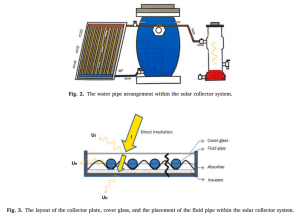
The study also found that the positioning of water pipes above the absorber plates reduced total heat loss, further boosting performance. Importantly, both materials performed well across different seasons, proving their reliability in varying climate conditions.
🔗 Connection to the Sustainable Development Goals (SDGs):
This innovation supports SDG 7: Affordable and Clean Energy, by advancing technologies that make renewable energy more efficient and accessible. It also aligns with SDG 13: Climate Action, as improving solar water heaters helps reduce greenhouse gas emissions by lowering reliance on conventional energy sources.
The researchers conclude that while aluminum collectors provide higher efficiency, zinc-coated steel offers a cost-effective alternative that could be optimized with design modifications. This balance between efficiency and affordability could pave the way for broader adoption of solar-powered water heating systems—making clean energy solutions more inclusive for households and communities.
Source: https://www.sciencedirect.com/science/article/pii/S2405844024117136
Fis-02/24