
Indonesia, one of the world’s most disaster-prone countries, is facing a growing challenge: how to protect its people and economy from the increasing impact of extreme weather events. A recent study sheds light on the link between economic growth, community welfare, and disaster resilience—highlighting that stronger welfare systems can save lives, while unchecked economic growth may actually increase disaster risks.
The research, which analyzed data from Statistics Indonesia on Gross Regional Domestic Product (GRDP) and the Human Development Index (HDI), found some surprising results. Provinces with higher welfare levels—measured by HDI—record fewer casualties during extreme weather events. Better education, healthcare, and social awareness seem to play a crucial role in keeping communities safe.
On the other hand, provinces with rapid economic growth, measured by GDP, often see more victims. This is because economic expansion tends to increase population density, infrastructure development, and exposure to risks—factors that make communities more vulnerable when extreme weather strikes.
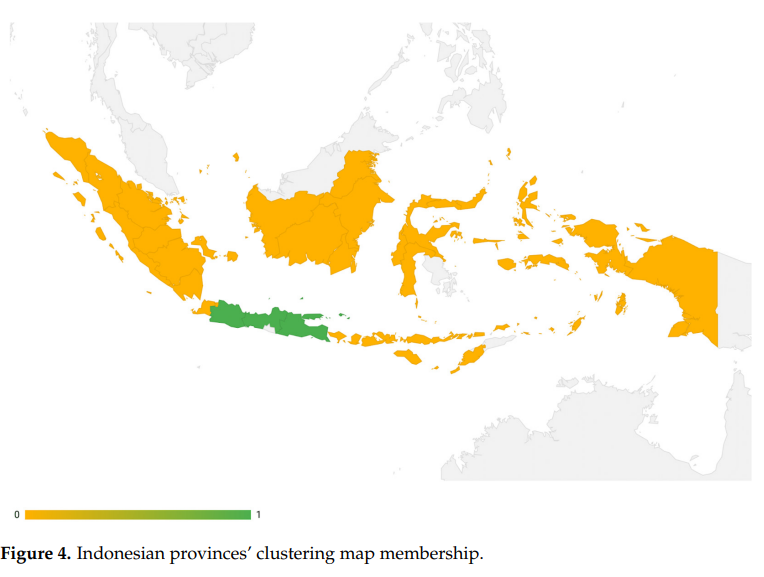
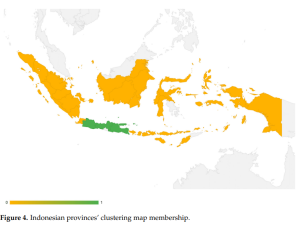
The study also identified two key clusters of provinces. Most regions fall into Cluster 1, with relatively lower disaster impacts. However, Cluster 2—comprising West Java, Central Java, and East Java—shows the highest disaster risk, signaling the urgent need for stronger disaster preparedness in these provinces.
These findings directly connect with the United Nations Sustainable Development Goals (SDGs), particularly:
- SDG 11 (Sustainable Cities and Communities) – by promoting resilience and disaster preparedness in urban and rural areas.
- SDG 13 (Climate Action) – by strengthening adaptive capacity against climate-related hazards.
- SDG 3 (Good Health and Well-Being) – by showing how welfare, education, and healthcare reduce casualties.
The message is clear: Indonesia’s development strategy must go beyond economic growth. By investing in welfare, education, healthcare, and disaster preparedness, the country can ensure that progress does not come at the cost of human lives.
As climate change continues to intensify extreme weather, this study emphasizes that sustainable development is not only about economic numbers—it is about resilience, equity, and ensuring communities are prepared for the challenges of tomorrow.
Source: https://www.mdpi.com/2071-1050/16/15/6693
Stat-02/24