

Tuberculosis (TB) remains one of the world’s most pressing public health challenges, especially in regions with dense populations. A recent study has introduced a powerful new way to predict TB cases in West Java, Indonesia, by combining advanced statistics with artificial intelligence.
The research integrates Generalized Linear Mixed Models (GLMM) and Extreme Neural Networks (ENN) to better understand how TB spreads and which groups are most at risk. The findings show that population density and the age groups of 45–64 and above 65 years are the strongest factors linked to TB incidence.
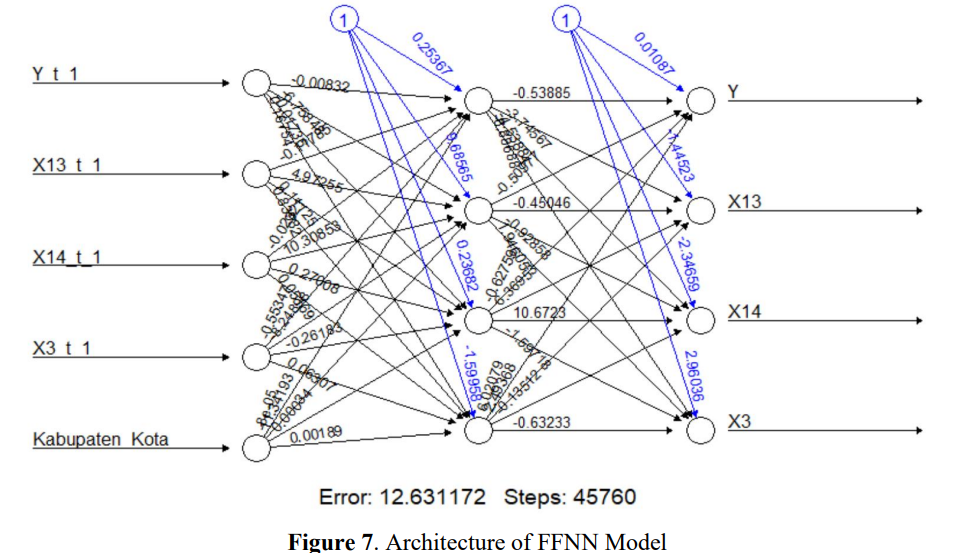
By applying these models, researchers were able to forecast future TB cases with high accuracy. The FFNN (Feed-Forward Neural Network) model performed especially well, achieving a prediction accuracy of over 94%. This provides health authorities with a reliable tool to anticipate TB outbreaks and design more targeted prevention strategies.
This study aligns with the United Nations Sustainable Development Goal (SDG) 3: Good Health and Well-Being, which emphasizes ending epidemics like TB by 2030. With the help of data-driven approaches, policymakers and healthcare providers can make informed decisions to protect vulnerable populations and reduce the burden of infectious diseases.
TB remains a significant health issue in Indonesia, but with innovations like these, the fight against the disease is becoming more precise and effective. Ensuring early detection, improving healthcare access, and raising awareness of risk factors are essential steps toward achieving a TB-free future.
Source: https://scik.org/index.php/cmbn/article/view/8748
Stat-05/24