

Blooming Forest, Thriving Bees: How Djuanda Park Supports Sustainable Beekeeping
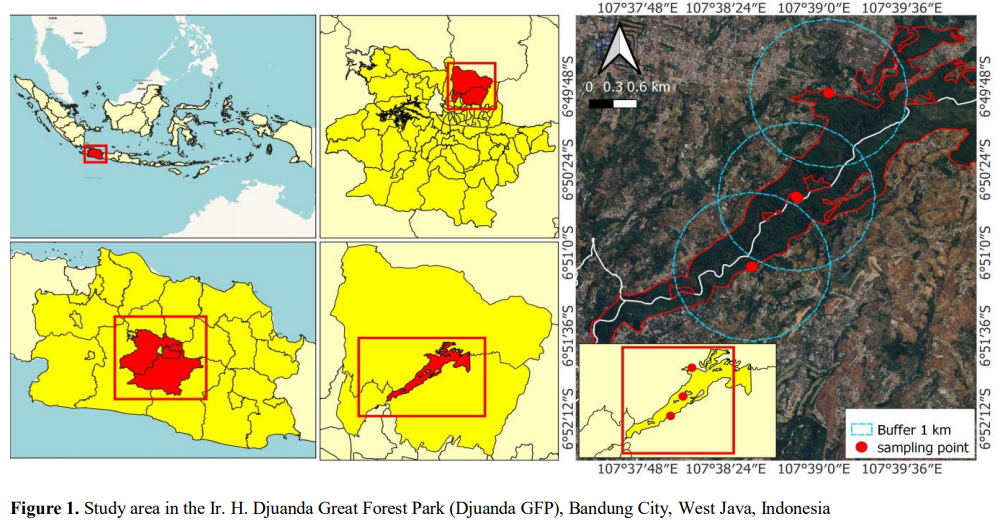

West Java, Indonesia – A new study in Djuanda Great Forest Park reveals valuable insights into the blooming patterns of polliniferous plants that could transform beekeeping practices in the region. Researchers documented 249 plant species from 82 families, with the Asteraceae family emerging as the richest in species diversity.
The study highlights the vital role of honeybees (Apis cerana Fabricius, 1793) in maintaining ecosystem balance through pollination. By creating a blooming calendar, researchers found that melliferous plants—those that provide nectar and pollen for bees—are available throughout the year, especially between December and May. This knowledge can help beekeepers establish colonies at the right times to maximize honey production.
“Knowing which plants bloom and when gives farmers and beekeepers the tools to manage honeybee colonies more effectively,” the researchers explained. “It also supports sustainable practices that benefit both biodiversity and local livelihoods.”
Beyond honey production, the findings underscore how bees are essential to food security and biodiversity conservation. However, the study also warns about seasonal nectar shortages—so-called “hunger gaps”—when flowers are scarce. During these times, honeybees may need alternative sugar sources, such as diluted fruit juice, to survive.
The research team recommends further year-round studies to better understand bloom cycles and to share this knowledge with local farmers. By maintaining a variety of habitats with complementary flowering periods, communities can ensure a steady food supply for pollinators.
Linking to the SDGs
This research strongly aligns with several United Nations Sustainable Development Goals (SDGs):
- SDG 2: Zero Hunger – Healthy pollinator populations ensure better crop yields and food security.
- SDG 12: Responsible Consumption and Production – Promoting sustainable beekeeping helps communities harvest honey without harming ecosystems.
- SDG 15: Life on Land – Protecting polliniferous plants supports biodiversity and ecosystem resilience.
With bees under global threat, studies like this offer hope by showing how traditional practices like beekeeping can thrive alongside conservation efforts. The blooming forest of Djuanda is more than a natural treasure—it’s a blueprint for sustainable livelihoods and ecological harmony.
Source: https://smujo.id/biodiv/article/view/18087
Bio-04/24