

Boosting Tomato Growth Naturally: How Friendly Fungi Improve Nutrition and Sustainability
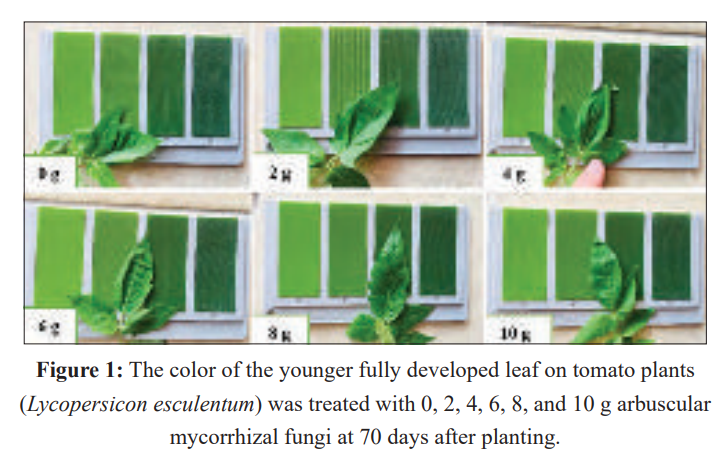



Tomatoes are among the most widely consumed vegetables in the world, loved for their taste and rich nutritional value. A new study reveals that using arbuscular mycorrhizal fungi (AMF)—a type of beneficial soil fungus—can significantly improve tomato growth and even boost the plant’s flavonoid content, compounds known for their antioxidant and health-promoting properties.
Researchers tested different concentrations of AMF on tomato plants and found that the highest dose, 10 grams per kilogram of soil, gave the best results. Plants treated with AMF grew taller, developed stronger stems, produced more leaves, and had healthier roots compared to untreated plants. In fact, the AMF-treated tomatoes reached nearly 79 cm in height with 55% of roots successfully colonized by the fungi.
Even more exciting, the study showed that AMF not only helps plants grow better but also enhances their flavonoid content, making the tomatoes potentially healthier to eat. Flavonoids are important natural compounds linked to better immunity and protection against various diseases.
This innovation aligns with several United Nations Sustainable Development Goals (SDGs):
- SDG 2: Zero Hunger – Supporting sustainable agriculture that can produce more nutritious food.
- SDG 3: Good Health and Well-Being – Increasing natural compounds in tomatoes that benefit human health.
- SDG 12: Responsible Consumption and Production – Using eco-friendly biological solutions instead of chemical fertilizers.
The findings highlight how working with nature, rather than against it, can lead to healthier crops and healthier people. By embracing beneficial fungi, farmers could reduce reliance on synthetic inputs while delivering more nutritious vegetables to the market.
This research offers hope for more sustainable farming practices and reinforces the importance of biodiversity in building a resilient food system.
Source: https://jabonline.in/abstract.php?article_id=1138&sts=2
Bio-05/24