

Building Resilient Supply Chains: New Model Helps Manage Risks and Boost Stability
 In today’s interconnected world, supply chains are the backbone of global trade—linking suppliers, manufacturers, distributors, retailers, and ultimately, customers. Yet, supply chains are highly vulnerable to disruptions such as transport delays, quality issues, or sudden market shocks. These risks can create ripple effects that impact businesses, communities, and even national economies.
A new study introduces a 4D chaotic supply chain model that takes a closer look at these risks and offers practical ways to manage them. By applying dynamical analysis and advanced control methods, the research highlights how different risk factors—like transportation problems, product quality issues, or inventory shortages—affect both retailers and customers.
Smarter Control for Complex Systems
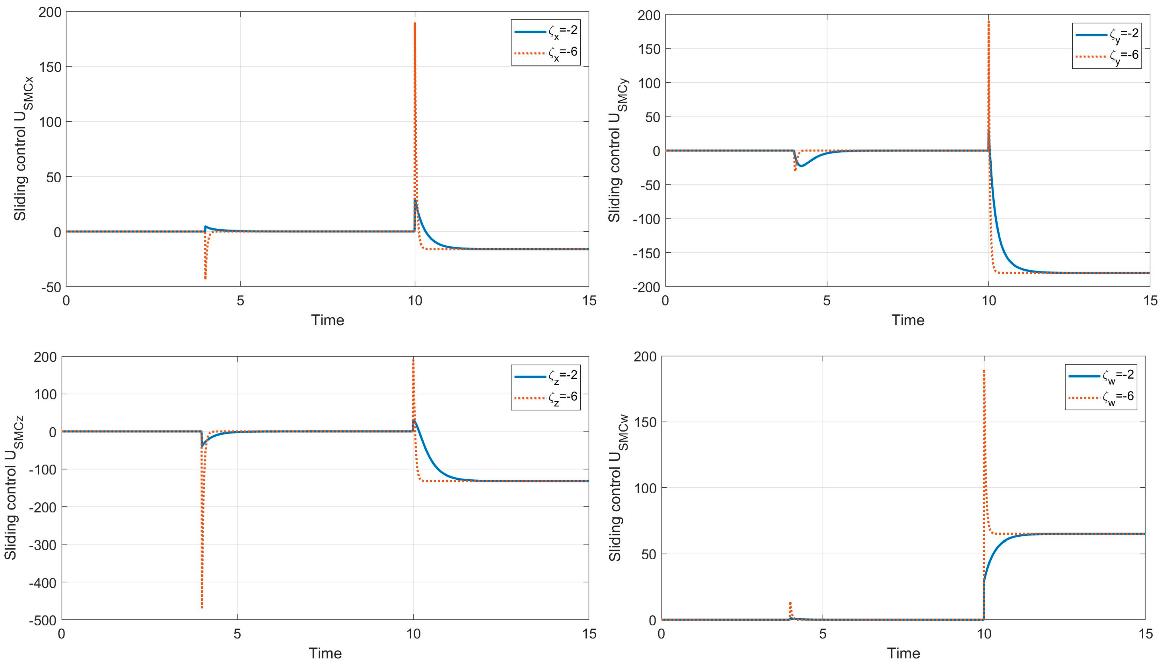
One of the key innovations in this study is the use of a Sliding Mode Controller (SMC), a technique from control theory. The SMC acts like a “stability regulator” that can automatically adjust supply chain operations in real-time. For example, it could help companies fine-tune order quantities, inventory levels, or safety stock to avoid shortages or overstock situations.
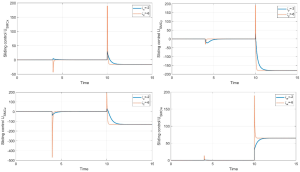
Simulation results show that this controller can make supply chains more stable, resilient, and efficient, even when faced with unpredictable challenges. While the current research focuses on simulations, future work aims to integrate this model into real-world supply chain management systems.
Why It Matters
Disruptions in supply chains don’t just affect businesses—they impact entire societies, from food availability to the timely delivery of medicines. This research provides a strong framework for making supply chains smarter and more adaptable, ensuring goods and services reach people when they need them most.
Contribution to the SDGs
This study supports several of the United Nations Sustainable Development Goals (SDGs):
- SDG 9: Industry, Innovation, and Infrastructure – by providing innovative tools to strengthen global trade systems.
- SDG 12: Responsible Consumption and Production – by optimizing inventory and reducing waste in supply chains.
- SDG 8: Decent Work and Economic Growth – by helping businesses stay competitive and sustainable through stronger resilience.
As global supply chains grow more complex, tools like this new model and controller could be game-changers. By blending mathematics, technology, and real-time data, researchers are paving the way for supply chains that are not just efficient—but also sustainable and resilient in the face of future challenges.
Source: https://www.mdpi.com/2227-7390/12/13/1938
Mat-11/24