

Greener Chemistry Ahead: Breakthroughs in Fluoroarene Functionalization Support SDG 12 on Sustainable Production

In the race toward more sustainable chemical production, scientists are making significant progress in developing methods to create complex organic compounds with fewer steps, less waste, and reduced environmental impact.
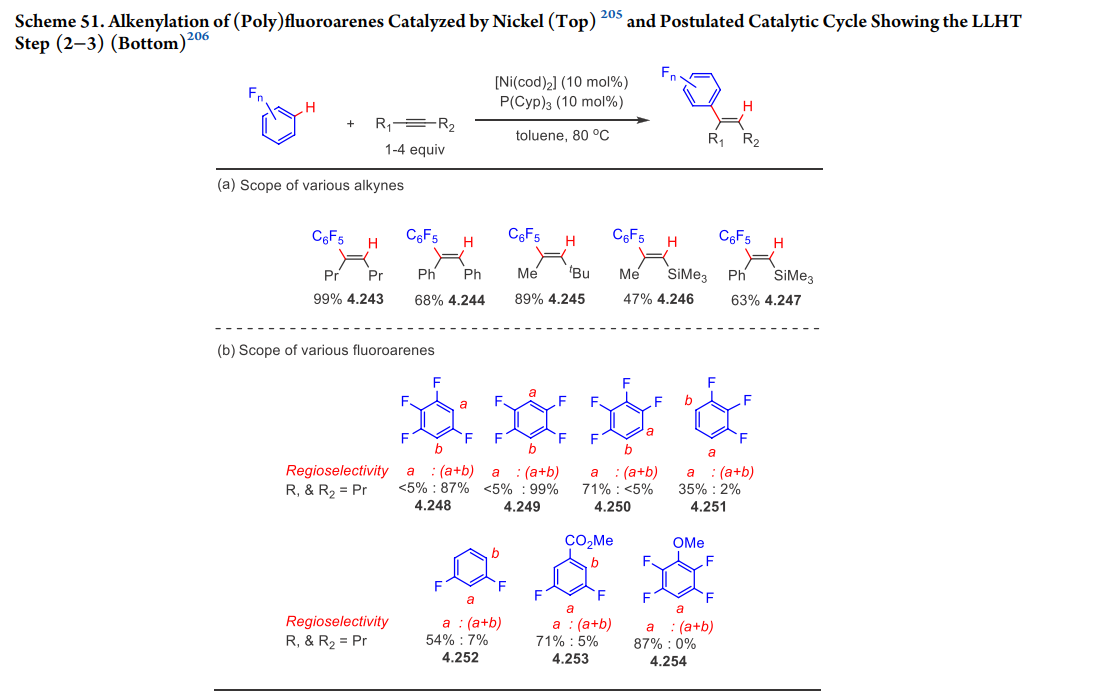
A recent review highlights how transition metal-catalyzed ortho-fluorine-directed C–H functionalization is changing the way researchers synthesize valuable fluoroarene-based compounds. Traditionally, chemists relied on pre-activated reagents that required multiple steps and generated large amounts of chemical waste. The new direct approach, however, enables the transformation of C–H bonds in fluorinated arenes into a wide variety of functional groups such as aryl, heteroaryl, allyl, carbonyl, alkynyl, and more.
This development has far-reaching implications. Fluoroarene-containing compounds are essential building blocks in pharmaceuticals, agrochemicals, and advanced materials. By adopting more efficient methods, the chemical industry can lower costs, conserve energy, and reduce the use of precious metals, aligning with the goals of Sustainable Development Goal (SDG) 12: Responsible Consumption and Production.
Despite these advances, researchers note that challenges remain. Current methods still struggle with substrates containing fewer fluorine atoms, and many transformations continue to rely on costly or less sustainable catalysts. Future research is expected to focus on greener alternatives, expanding the scope of reactions to include new functional groups such as ethers, esters, and nitro compounds.
This work builds on pioneering studies from the mid-2000s and continues to evolve with novel insights—such as the surprising role of silver (Ag(I)) in reaction mechanisms. As scientists push the boundaries of direct C–H functionalization, the vision of a more sustainable and efficient pathway for organic synthesis comes closer to reality.
By making chemistry cleaner and smarter, these breakthroughs not only benefit industry but also contribute to a healthier planet.
Source: https://pubs.acs.org/doi/10.1021/acs.chemrev.3c00793
Kim-16/24