

Natural Compound Berberine Shows Strong Potential as Safer Diabetes Treatment
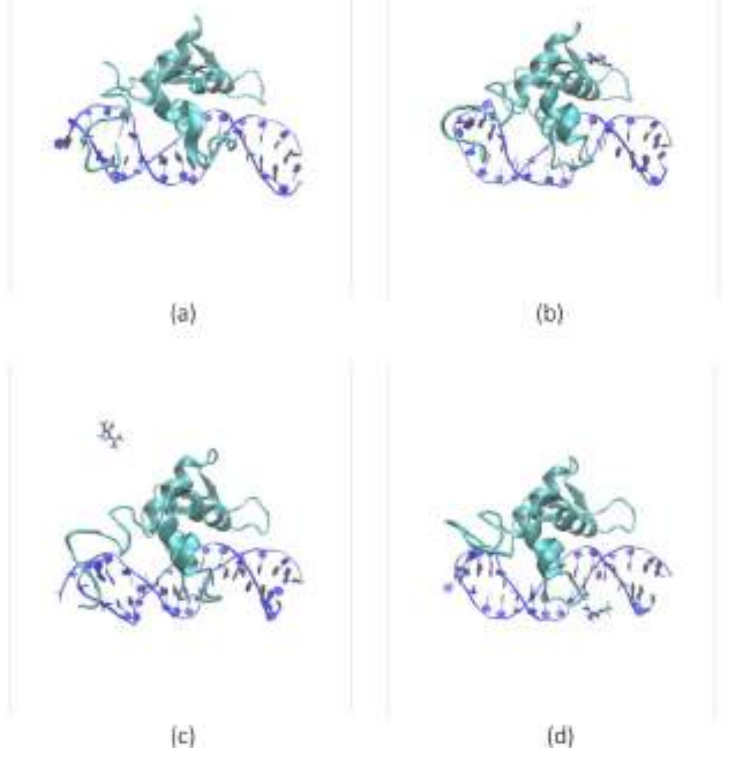



A new study highlights the promising role of berberine, a natural compound, in managing diabetes mellitus (DM)—a disease that affects millions of people worldwide. Researchers discovered that berberine may work more effectively than the widely used drug metformin, by targeting a key protein in the body known as FOXO1, which regulates blood sugar production.
🔬 Using advanced computer simulations, including molecular docking and molecular dynamics, the team investigated how berberine binds to FOXO1. The results revealed that berberine forms stronger and more stable bonds compared to metformin, suggesting it could suppress the process of glucose overproduction in the liver more effectively.
Importantly, berberine showed a much lower free energy value (−25.76 kcal/mol) than metformin (−4.38 kcal/mol), indicating greater activity and stability. This could mean a more efficient and potentially safer pathway for diabetes treatment with fewer toxic side effects.
💡 The researchers emphasized that while further laboratory and clinical studies are still needed, understanding how berberine interacts with FOXO1 opens the door to personalized medicine approaches in diabetes care. Such progress could improve patients’ quality of life and reduce the burden of chronic complications linked to diabetes.
🌱 This breakthrough directly supports the United Nations Sustainable Development Goals (SDGs), particularly:
- SDG 3 (Good Health and Well-Being): by promoting innovative, safer, and more effective diabetes treatments.
- SDG 9 (Industry, Innovation, and Infrastructure): by leveraging cutting-edge computational biology for drug discovery.
- SDG 12 (Responsible Consumption and Production): by exploring natural compounds as alternatives to synthetic drugs.
With diabetes continuing to rise globally, natural solutions like berberine could pave the way for a healthier and more sustainable future.
Source: https://link.springer.com/article/10.1007/s00894-024-06060-6
Kim-09/24