

Red Betel Leaf: A Natural Solution Against Oral Infections Supporting Global Health Goals
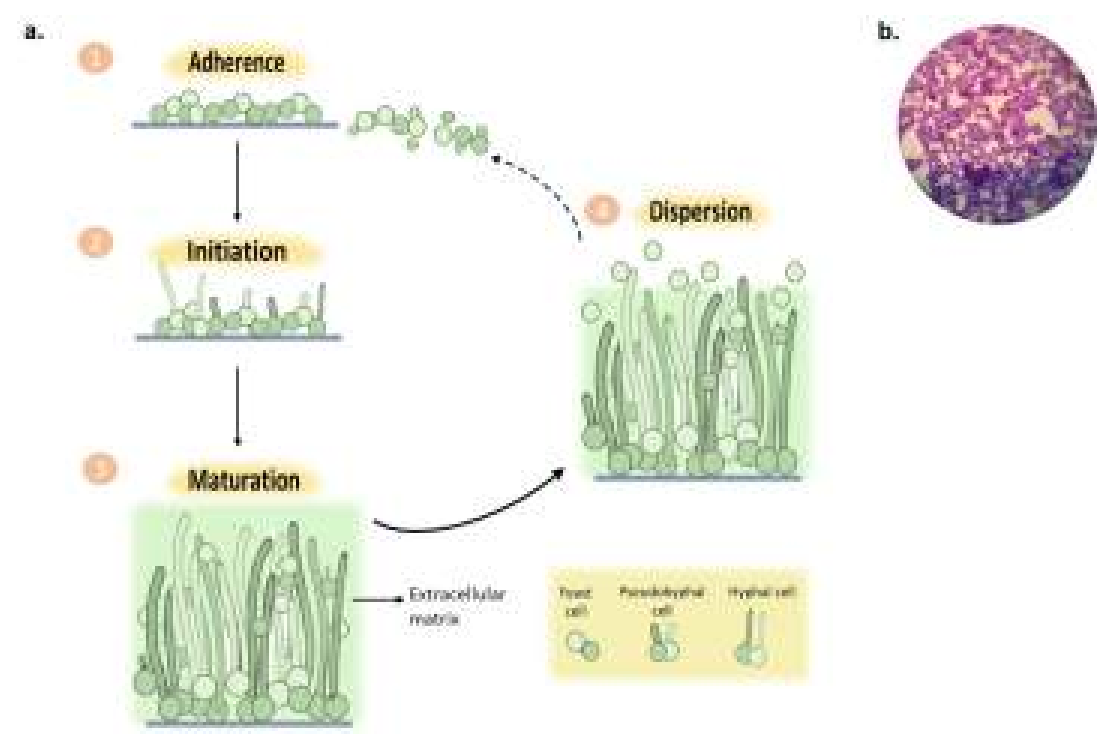

Oral health remains one of the most pressing health challenges worldwide. According to the WHO Global Status Report on Oral Health 2022, nearly 3.5 billion people suffer from oral diseases caused by harmful microorganisms such as Streptococcus mutans, Streptococcus sanguinis, Enterococcus faecalis, and Candida albicans.
For decades, synthetic anti-infective drugs have been used to treat these infections. However, frequent use has raised concerns due to side effects and the increasing problem of drug resistance. This situation has prompted researchers to explore safer and more sustainable alternatives.
One promising candidate comes from nature: Red Betel leaf (Piper crocatum Ruiz & Pav).
🌱 Red Betel as Herbal Anti-Infective
Ethnobotanical studies highlight Red Betel as a traditional medicinal plant widely used across Southeast Asia. Recent scientific findings support its anti-infective potential:
- Laboratory tests (in vitro and in silico) confirm that its bioactive compounds can inhibit the growth of harmful bacteria and fungi.
- Active components in Red Betel successfully suppress S. mutans, a key culprit behind cavities and tooth decay.
- It also inhibits C. albicans, a fungus that often disrupts oral health.
The review concludes that Red Betel could serve as a natural alternative to synthetic drugs, either as a standalone herbal medicine or as part of medicinal formulations.
🌍 Link to the Sustainable Development Goals (SDGs)
This research aligns strongly with the United Nations Sustainable Development Goals (SDGs), particularly:
- SDG 3: Good Health and Well-Being – by promoting safer, more effective, and accessible treatments for oral infections.
- SDG 9: Industry, Innovation, and Infrastructure – by encouraging innovation in drug discovery and herbal medicine development.
- SDG 12: Responsible Consumption and Production – by supporting the use of sustainable natural resources instead of over-reliance on synthetic chemicals.
With growing evidence, Red Betel could soon move from traditional use to modern healthcare applications, offering hope for billions worldwide who struggle with oral diseases. This breakthrough highlights the importance of integrating natural products and local wisdom into global health solutions.
Source: https://pubmed.ncbi.nlm.nih.gov/38952486/
Kim-03/24