

Smarter COVID-19 Analysis with Gaussian Models Supports Global Health Goals
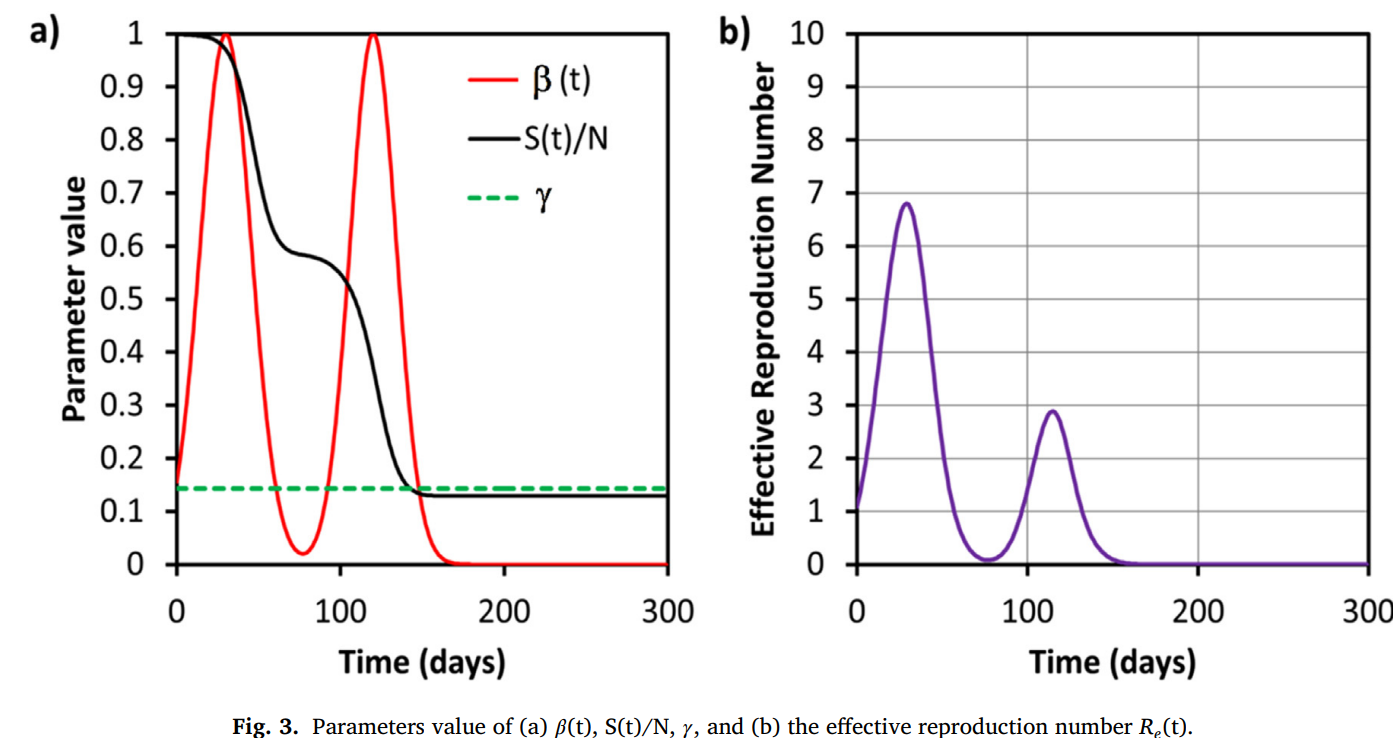

A team of researchers has introduced a new way to better understand how COVID-19 spreads, using advanced mathematical models known as Gaussian pulse models. This innovative method allows scientists to capture the timing and intensity of outbreaks more precisely, helping public health experts respond faster and more effectively.
The study highlights how outbreaks can be mapped with greater accuracy by focusing on time-dependent transmission rates. By combining these models with data analysis tools such as Microsoft Excel’s Solver, the researchers could fine-tune important parameters like transmission rates and reproduction numbers. This makes the predictions more reliable and provides clearer insights into how the virus evolves over time.
Unlike traditional models, this approach brings a fresh perspective by improving the standard SEIR model (Susceptible, Exposed, Infected, Recovered). It doesn’t just track numbers—it helps explain the dynamic and often unpredictable nature of disease spread.
The findings are not only crucial for understanding COVID-19 but also have broader implications for epidemiology and future pandemic preparedness. With better modeling, governments and health organizations can make more informed decisions about public health measures, vaccination strategies, and resource allocation.
This research directly supports the United Nations Sustainable Development Goal (SDG) 3: Good Health and Well-Being, which calls for strengthening global capacity to combat communicable diseases. By advancing the tools available for outbreak analysis, this study contributes to building healthier, more resilient societies.
As the world continues to learn from the COVID-19 pandemic, methods like Gaussian pulse modeling represent an important step toward smarter, data-driven health policies for future challenges.
Source: https://www.sciencedirect.com/science/article/pii/S2215016124000931
Fis-03/24