

Smarter Detection of Rare Earth Elements: New Technique Boosts Dysprosium Identification Accuracy
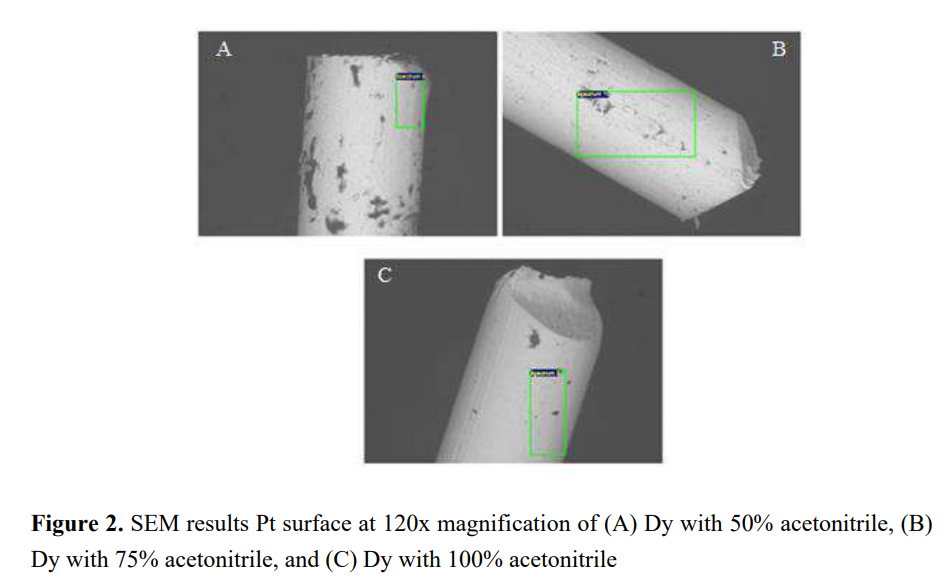



A team of researchers has developed a promising method to accurately detect dysprosium (Dy), one of the critical Rare Earth Elements (REEs) used in modern technologies such as electric vehicles, wind turbines, and advanced electronics. Their findings not only enhance the efficiency of detecting this valuable material but also support global sustainability efforts aligned with the UN Sustainable Development Goals (SDGs).
Rare Earth Elements are essential for green energy solutions, but they are notoriously difficult to separate and identify due to their similar chemical properties. Dysprosium, in particular, plays a crucial role in high-performance magnets that power clean energy technologies. Ensuring its precise detection and extraction is vital for building a more sustainable future.
In this study, scientists applied Differential Pulse Voltammetry (DPV) with the help of Steepest Ascent and Box-Behnken optimization approaches. By fine-tuning key parameters such as deposition potential, deposition time, and amplitude modulation, the team successfully established the optimal conditions for detecting dysprosium in acetonitrile solution.
The results were impressive:
- Recovery rate: 99.47%
- Accuracy: 97.06%
- Precision: 95.19%
- Detection limit: 2.12 mg/L
These achievements demonstrate that this method not only provides high sensitivity and fast analysis but also allows scientists to distinguish dysprosium from other REEs like europium (Eu) in mixtures—a challenge that has long hindered rare earth element analysis.
This breakthrough contributes to:
- SDG 7 (Affordable and Clean Energy): by supporting efficient use of rare earth materials for renewable technologies.
- SDG 12 (Responsible Consumption and Production): by improving the detection and potential recovery of rare elements to reduce waste.
- SDG 9 (Industry, Innovation, and Infrastructure): by advancing innovative methods for critical material analysis in industry.
With growing global demand for REEs, this optimized detection method marks a step forward in sustainable resource management and could help secure the materials needed for the green technologies of tomorrow.
Source: https://www.abechem.com/article_714689.html
Kim-14/24