

Smarter, Safer Healthcare: Contactless Vital Signs Monitoring Device Supports SDG 3 for Good Health and Well-being
Health checkups are essential to detect early changes in the human body, but traditional methods often require direct contact, which can increase the risk of disease transmission. Responding to this challenge, a group of researchers has successfully developed a contactless human vital signs monitoring device using advanced digital camera technology.
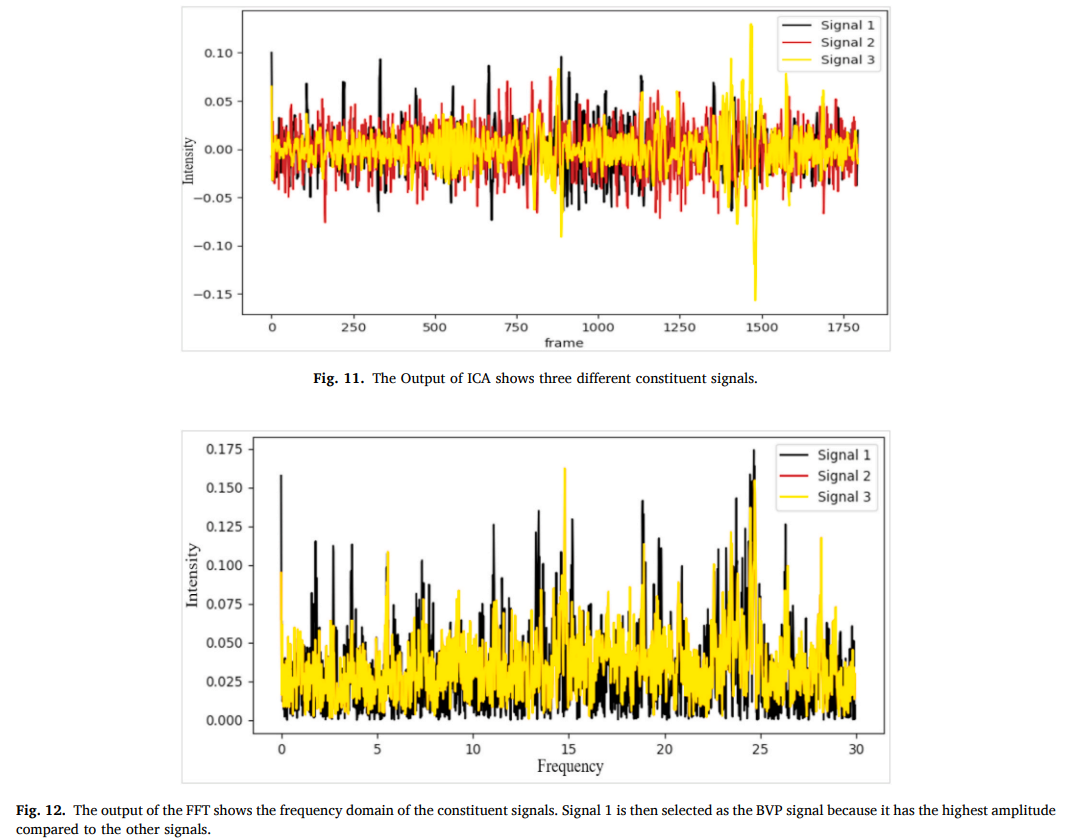
The prototype device can measure heart rate, respiratory rate, blood pressure, and blood oxygen saturation without physical contact. It uses a technique called remote photoplethysmography (rPPG) with adaptive face and skin detection methods to capture only relevant skin pixels, while filtering out unnecessary disturbances such as movement. A hybrid processing system then ensures more accurate results.
In trials involving 50 participants, the device demonstrated promising accuracy compared to conventional medical tools. Results showed only small differences in measurements, such as ±0.4–0.6 bpm for heart rate and ±0.4–0.6% for blood oxygen saturation, making it suitable for further development into a medical-grade device. The system works best within a distance of up to 2 meters and processes results in near real-time.
While more clinical testing is needed, this innovation represents an important step forward in making healthcare safer and more efficient. By reducing direct contact, the device not only protects healthcare workers and patients but also supports the United Nations Sustainable Development Goal (SDG) 3: Good Health and Well-being.
Such technology could play a crucial role in hospitals, clinics, and even home healthcare in the future—especially in times of pandemics when minimizing physical interaction is vital.
Source: https://www.sciencedirect.com/science/article/pii/S2666521224000279
TE-02/24