

Turning Plants into Green Nanotech: Eco-Friendly TiO2 Nanoparticles for a Cleaner Future
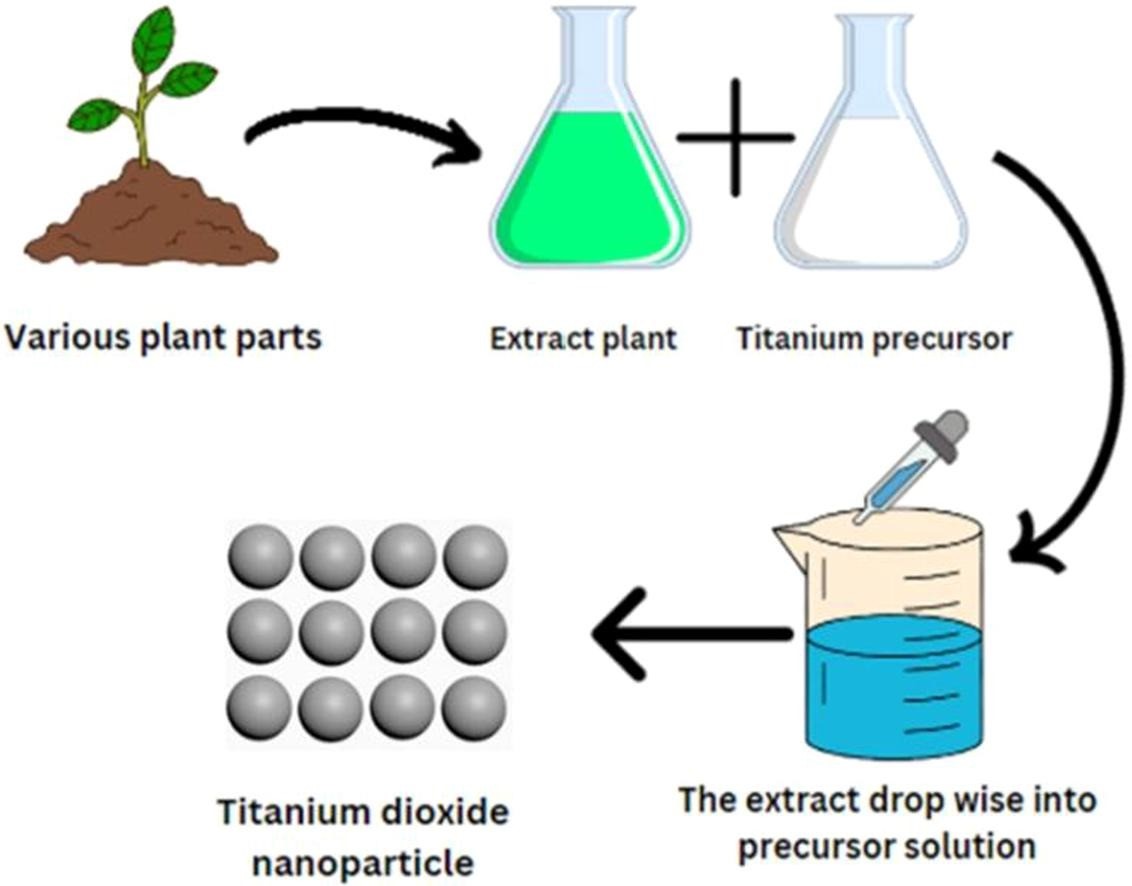


A new scientific review highlights the growing trend of using plant extracts to create titanium dioxide nanoparticles (TiO2 NPs) in an eco-friendly way. These nanoparticles are widely used in medicine, water purification, self-cleaning materials, and even antibacterial and antiviral technologies.
Traditionally, TiO2 nanoparticles are produced using toxic chemicals and high energy consumption, which pose risks to health and the environment. In contrast, green synthesis methods—using natural plant extracts—are showing great promise as a safer, cheaper, and more sustainable alternative.
🔬 How does it work?
Plants contain natural compounds such as polyphenols, proteins, amino acids, and reducing sugars. These biomolecules act as natural stabilizers that help form and maintain nanoparticles. Scientists found that nanoparticles produced this way are more stable, eco-friendly, and effective in breaking down pollutants and fighting bacteria and viruses.
🌍 Why is it important?
This research is closely linked to the United Nations Sustainable Development Goals (SDGs), especially:
- SDG 6: Clean Water and Sanitation – TiO2 nanoparticles can help remove organic pollutants from water.
- SDG 12: Responsible Consumption and Production – Plant-based synthesis reduces toxic chemical use and energy waste.
- SDG 13: Climate Action – Using renewable natural resources supports low-carbon, sustainable technologies.
⚡ The challenges ahead
Despite its potential, green synthesis faces hurdles. Plant extracts differ in their chemical makeup, making it hard to produce nanoparticles with consistent quality. Also, the mass production of these eco-friendly nanoparticles is still under study. Researchers emphasize the need to ensure reusability and stability of TiO2 NPs in practical applications.
🌟 The future looks green
The review concludes that green synthesis is a game-changer in nanotechnology, opening doors to safer and more sustainable innovations. By harnessing the power of plants, scientists are moving closer to creating nanomaterials that not only benefit industries but also protect the planet.
Source: https://www.sciencedirect.com/science/article/abs/pii/S1387700324005148
Kim-02/24