

Turning Rice Husk Waste into Steel Protectors: A Step Toward Sustainable Industry


A new study has revealed that rice husks, often considered agricultural waste, can be transformed into a powerful material to protect steel from corrosion. Researchers successfully extracted silica from rice husks and developed sodium silicate, which shows great potential as a corrosion inhibitor for mild steel.
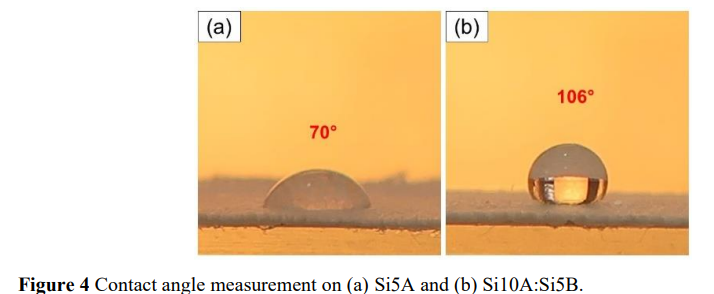
The team used a precipitation method with sodium hydroxide, nitric acid, and ethanol to obtain silica from rice husks. When tested, the extracted silica displayed excellent hydrophobic (water-repellent) properties, with the best sample achieving a contact angle of 105.3°—a sign of strong protective coating capability.
More importantly, when applied as a coating on steel, sodium silicate demonstrated impressive results in reducing corrosion. At a concentration of 20 ppm, the coating reached an inhibition efficiency of 81.9%, making it highly effective in slowing down the corrosion process. This discovery highlights a sustainable and low-cost alternative for corrosion protection, which is crucial for industries relying on steel infrastructure.
The findings not only open doors for environmentally friendly materials in industrial applications but also contribute to the United Nations Sustainable Development Goals (SDGs):
- SDG 9 (Industry, Innovation, and Infrastructure): By providing a sustainable coating method to enhance steel durability.
- SDG 12 (Responsible Consumption and Production): By turning rice husk waste into valuable industrial material, reducing environmental impact.
- SDG 13 (Climate Action): By minimizing the need for environmentally harmful corrosion inhibitors and reducing waste.
This breakthrough shows how something as common as rice husks can play a big role in greener technology, ensuring industries move toward more sustainable and efficient solutions.
Source: https://tis.wu.ac.th/index.php/tis/article/view/7779
Kim-13/24