

Unlocking Citrus Diversity: New Study Reveals Family Tree of Oranges and Lemons in West Java
Indonesia, one of the world’s richest biodiversity hubs, is home to a dazzling variety of citrus plants. From sweet oranges to tangy lemons, the diversity of this fruit family not only delights our taste buds but also holds great potential for sustainable agriculture and food security.
A new study by researchers from Padjadjaran University has mapped the phenetic relationships of seven citrus varieties using detailed observations of their morphological and anatomical characteristics. The research was conducted in Parongpong District, West Bandung Regency, West Java, and examined traits such as leaf thickness, surface texture, fruit color, size, and even microscopic details like stomata and trichomes.
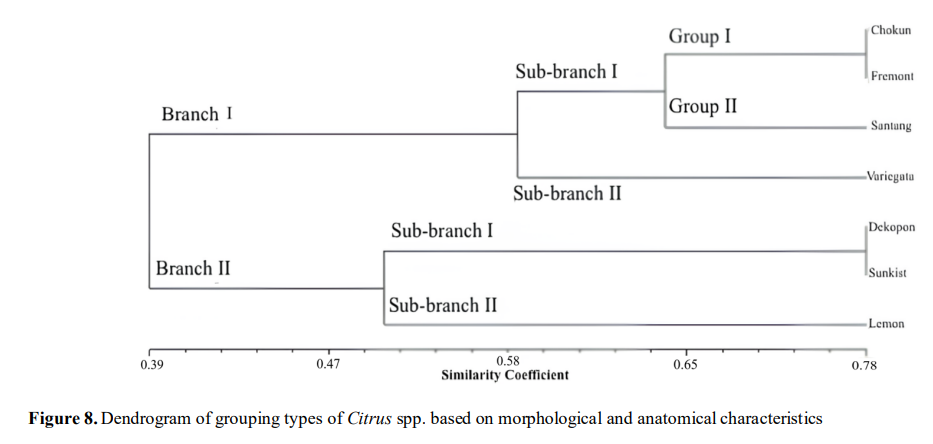
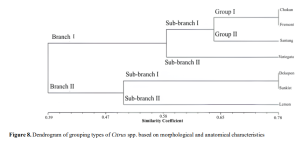
Using computer-based dendrogram analysis, the team found that the seven citrus varieties could be grouped into two major branches. The first branch includes Chokun, Fremont, Santang, and Variegated oranges, while the second branch contains Dekopon, Sunkist, and Lemon. The similarity coefficient between these branches was measured at 0.3846, showing both their shared heritage and distinct differences.
This discovery is not just about classifying fruits. By understanding the unique traits and genetic diversity of citrus plants, scientists can help farmers and breeders identify superior cultivars—those with better taste, resilience, or adaptability to local conditions. This can play a vital role in boosting agricultural productivity while preserving biodiversity.
🔗 The study aligns closely with the United Nations Sustainable Development Goals (SDGs), particularly:
- SDG 2: Zero Hunger – by supporting the development of better, more resilient crops.
- SDG 12: Responsible Consumption and Production – by promoting sustainable use of biodiversity resources.
- SDG 15: Life on Land – through the conservation of plant diversity in Indonesia’s rich ecosystems.
As citrus fruits continue to be a staple in both local diets and global markets, this research provides a scientific foundation for making smarter choices in cultivation and conservation—ensuring that the flavors we enjoy today can be preserved and improved for future generations.
Source: https://smujo.id/biodiv/article/view/16637
Bio-03/24